

How long between cataract surgery on each eye?
If you need cataract surgery in both eyes, you may wonder how long you should wait between each procedure. This is a common question. Many people want to plan work, family life, and travel.
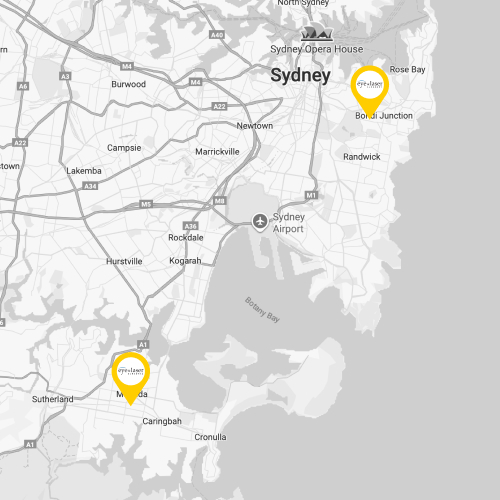
At Eye & Laser Surgeons Sydney in Bondi Junction and Miranda, we guide patients through each step of the process. In this blog, we explain why there is often a gap between surgeries and what you can expect.
Why are both eyes not done on the same day?
Most cataract surgery is done on one eye at a time. Cataract surgery is a common and generally safe procedure1https://www.sciencedirect.com/topics/medicine-and-dentistry/outcome-of-cataract . However, like all surgery, it carries some risk. These risks can include infection, swelling, bleeding, or changes in eye pressure. By treating one eye at a time, Dr Daya Sharma and Dr Shanel Sharma can check how the first eye heals before operating on the second eye2 https://my.clevelandclinic.org/health/treatments/21472-cataract-surgery .
Doing one eye at a time also allows your vision to settle. This helps us confirm the best plan for your second eye. Sometimes we make a slight adjustment to the surgical plan for the second eye, for example, to increase the reading vision without glasses.
In some cases, same day surgery on both eyes may be discussed. This depends on your health, your eye condition, and a detailed assessment of the benefits and risks of doing both eyes together. A full assessment is always needed.
What is the usual time between surgeries?
For many people in our practice, the second eye is treated two weeks after the first eye3 https://www.healthline.com/health/how-long-between-cataract-surgery-on-each-eye . This interval generally works well to allow the first eye to recover and assess the outcome before operating on the second eye.
This time frame can vary. Some people may have surgery sooner. Others may wait longer. The timing depends on how well the first eye heals and how comfortable you feel. Some people may benefit from having surgery on both eyes on the same day under a general anaesthetic, for example, those with a significant head tremor or severe anxiety.
In routine cases, we check your eye on day one after the first procedure, and often again at one week.. We look at your vision, your healing, and your eye pressure. We proceed with the second eye surgery if healing is as expected.
When we book surgery, we take into account individual and family needs. Every person is different. The right timing will depend on these individual needs.
What happens after the first eye surgery?
After your first surgery, your vision may be blurry at first4https://www.nhs.uk/tests-and-treatments/cataract-surgery/ . This is normal. Your eye needs time to heal. Many people notice clearer vision within a few days. For others, it may take a few weeks for vision to settle.
You will be given eye drops to use at home. These help reduce swelling and lower the risk of infection. You will also have follow-up visits so we can check your progress.
During this time, you may notice a difference between your two eyes. If one eye has been treated and the other still has a cataract, the operated eye will usually have brighter vision with more vivid colours. However, your vision may feel uneven or unbalanced, This can affect depth perception.
Once the second eye is treated, vision is usually much better balanced. This is an important reason to proceed with surgery on the second eye.
Why not wait many months?
Some people ask if they can wait several months between surgeries. In some cases, this may be possible. However, there are a few things to consider.
If one eye has clear vision and the other is still cloudy, daily tasks may feel harder. Reading, driving, and walking down stairs may not feel as steady5https://www.nhs.uk/tests-and-treatments/cataract-surgery/ . Your glasses may also not fully correct the difference between the eyes.
Treating the second eye within a few weeks can help restore more even vision sooner. Dr Daya Sharma and Dr Shanel Sharma will discuss with you about what feels right for your situation.
Is it safe to have surgery close together?
Cataract surgery is one of the most commonly performed eye procedures in Australia. It has a strong safety record when performed by an experienced surgeon. However, no surgery is risk free.
Spacing the surgeries allows time to check for rare complications. If a problem occurs in the first eye, we can manage it before planning the second procedure.
Your overall health is also important. Conditions such as diabetes or other eye diseases may affect healing. This may change the timing between surgeries.
A full eye examination and medical history review are needed before making a plan.
What if I only need surgery in one eye?
Not everyone needs surgery in both eyes at the same time. Some people may have a cataract in one eye that affects vision more than the other.
If your other eye still sees well and is not causing problems, surgery may not be needed right away. Cataract surgery is usually recommended when vision changes begin to affect daily life.
We will not suggest surgery unless it is clinically appropriate. The decision is based on your symptoms, your eye health, and your lifestyle needs.
How will I manage daily life between surgeries?
Most people can return to light daily activities within a few days after surgery. You should avoid heavy lifting, getting water in the eyes, or rubbing the eyes.
If there is a large difference in vision between your eyes, you may feel off balance for a short time. Some people choose to limit driving until both eyes are treated. We will advise you when it is safe to drive, based on your vision and local road rules6https://www.aao.org/eye-health/ask-ophthalmologist-q/wait-cataract-surgery-second-eye-without-glasses .
Family or friends may be able to help during the early recovery period. Planning ahead can make the process smoother.
What should I ask at my consultation?
It is a great idea to discuss the recommended waiting time between procedures with our team. You can also ask what signs of healing they will look for before booking the second surgery.
We will discuss the type of lens being used and how the plan for the second eye depends on the result of the first eye. Clear communication can help you feel confident about the plan.
At Eye & Laser Surgeons Sydney, we take time to explain each step. We encourage questions so you can make an informed decision.
The importance of individual assessment
There is no single answer that suits everyone. While many people have their second eye treated within one to four weeks, the right timing depends on your eyes, your health, and your personal needs.
AHPRA guidelines require that treatment decisions are based on clinical need. Outcomes can vary between individuals. A thorough assessment is essential before surgery is recommended.
We will discuss the risks, benefits, and alternatives with you. This helps you understand your options and decide what is right for you.
Taking the next step
If you have been told you have cataracts in both eyes, you may be thinking about timing. The best way to know what is suitable for you is to have a full eye assessment.
If you are experiencing cloudy or blurry vision, book an appointment at Eye & Laser Surgeons Sydney in Bondi Junction and Miranda today. It is quick and easy to complete. Your answers can help you decide if it is time to book a consultation.
Clearer vision starts with the right information and the right plan for your eyes.
Find out if you are suitable for vision correction
Not everyone is eligible for vision correction surgery.
Find out if you could benefit from this life changing surgery by taking the quick self-suitability quiz below: