
Specialist paediatric and strabismus eye care in Sydney
Early assessment and tailored treatment may help support healthy eye alignment and visual development throughout childhood
Specialist paediatric and strabismus eye care in Sydney
Early assessment and tailored treatment may help support healthy eye alignment and visual development throughout childhood




With early care, children may develop stronger vision and better eye coordination
Learn how our team assesses and manages paediatric eye conditions and strabismus to support confident seeing and long-term visual development
Paediatric eye conditions are vision problems that affect babies, children, and teenagers while their eyes and visual system are still developing. Early detection is important because untreated eye problems during childhood can affect vision development, learning, and everyday activities.
Common paediatric eye conditions include:
- Refractive errors, such as short-sightedness (myopia), long-sightedness (hyperopia), and astigmatism
- Strabismus (eye misalignment), where the eyes do not point in the same direction
- Amblyopia (lazy eye), where vision in one eye does not develop normally
- Childhood myopia, which is becoming increasingly common worldwide
- Blocked tear ducts and other eye surface conditions
Do Children realise their vision is blurred?
No, Children’ often do not complain about vision problems, as they don’t realise other children see differently. For this reason, eye examinations can play an important role in identifying paediatric eye conditions early.
At Eye & Laser Surgeons in Sydney, ophthalmologist Dr Shanel Sharma provides comprehensive eye examinations to assess children’s vision and eye health. These assessments help determine whether a child may benefit from glasses, monitoring, or other treatments depending on the underlying condition.
If you are concerned about your child’s vision, or if a teacher or optometrist has recommended further assessment Book an appointment with Dr Shanel Sharma.
Amblyopia, often called “lazy eye,” is a condition where vision in one eye does not develop normally during childhood. Even though the eye itself may look healthy, the brain begins to favour the stronger eye and does not use the weaker eye effectively.
Amblyopia usually develops when something interferes with normal visual development early in life. If untreated, the brain may continue to ignore input from the weaker eye, which can lead to reduced vision in that eye.
Common causes of amblyopia include:
- Strabismus (eye misalignment) – when the eyes do not point in the same direction
- Refractive errors – when one eye is more short-sighted, long-sighted, or astigmatic than the other
- Obstruction of vision – such as cataract or drooping eyelids in early childhood
Because the brain adapts to the stronger eye, many children with amblyopia do not realise their vision is reduced. Parents or teachers may notice signs such as squinting, covering one eye, or difficulty seeing clearly.
Is Early diagnosis important?
Yes – because amblyopia is often treatable when detected and treatment completed under the age of 7 years (period of plasticity) during childhood while the visual system is still developing.
At Eye & Laser Surgeons in Sydney, ophthalmologist Dr Shanel Sharma performs detailed eye examinations to assess children’s vision and identify conditions such as amblyopia. These assessments help determine the underlying cause and guide appropriate treatment, which may include glasses, patching therapy, or other management depending on the individual child.
If you are concerned about your child’s vision or eye alignment, a specialist examination can help determine whether amblyopia or another vision condition may be present. Book an appointment with Dr Shanel Sharma
Treatment for amblyopia (lazy eye) focuses on helping the brain use the weaker eye more effectively. Because the visual system is still developing during childhood through the period of plasticity which usually completes at 7 years of age, early treatment can improve the chances of better vision.
The first step is identifying and treating the underlying cause of the amblyopia.
Common treatment approaches may include:
Glasses to Correct Vision
If amblyopia is caused by refractive error, such as short-sightedness, long-sightedness or astigmatism, glasses may help provide a clearer image to the brain. In some children, vision can improve simply by correcting the underlying prescription.
Patching Therapy
Patching involves covering the stronger eye for certain periods of time. This encourages the brain to use the weaker eye, helping visual pathways develop more normally.
Atropine Eye Drops
In some cases, atropine eye drops may be used in the stronger eye to temporarily blur vision. This can encourage the brain to rely more on the weaker eye.
Treating Eye Alignment Problems
If amblyopia is related to strabismus (eye misalignment), treatment may involve glasses, monitoring, or in some cases surgery to improve alignment of the eyes.
Monitoring Vision Development
Children with amblyopia often require regular follow-up examinations to monitor vision development and adjust treatment if needed.
At Eye & Laser Surgeons in Sydney, ophthalmologist Dr Shanel Sharma performs detailed eye examinations to assess amblyopia and guide appropriate treatment depending on the child’s individual condition. Early assessment helps determine the underlying cause and allows treatment to begin while the visual system is still developing.
If you are concerned about your child’s vision, or if an optometrist or teacher has recommended further assessment book an appointment online.
Strabismus is a condition where the eyes do not point in the same direction at the same time. One eye may look straight ahead while the other turns inward, outward, upward, or downward.
Because the eyes are not aligned, the brain may receive two different images. In young children, the brain often adapts by ignoring the image from one eye. Over time this can affect normal visual development and may lead to amblyopia (lazy eye).
Strabismus can occur in infants, children, or adults, although it is most commonly diagnosed during childhood while the visual system is still developing.
Common types of strabismus include:
- Esotropia – where one eye turns inward (sometimes called “crossed eyes”)
- Exotropia – where one eye turns outward
- Vertical strabismus – where one eye turns upward or downward
- Intermittent strabismus – where the misalignment appears only some of the time
Parents may notice that a child’s eyes appear misaligned in photographs or that one eye seems to drift, particularly when the child is tired or focusing on distant objects.
At Eye & Laser Surgeons in Sydney, ophthalmologist Dr Shanel Sharma performs detailed eye examinations to assess eye alignment, visual development, and the underlying causes of strabismus. Early evaluation can help determine whether treatment may be needed to support normal vision development.
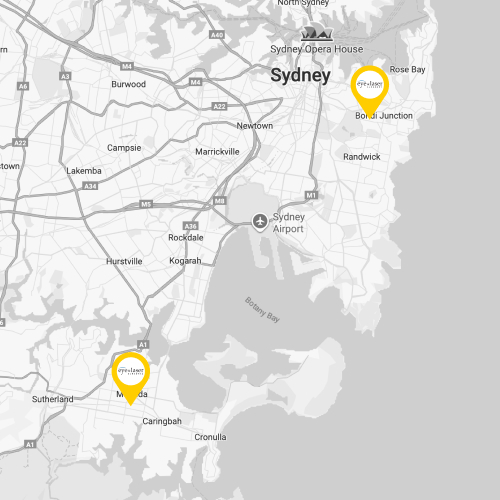
If you notice that your child’s eyes do not appear aligned, or if a teacher or optometrist has recommended further assessment, a specialist eye examination may help clarify the cause and guide appropriate management. Book an appointment online or ring (02) 9387 5300 Bondi Junction, (02) 9531 5300 Miranda.
The treatment for strabismus (eye misalignment) depends on the cause of the condition, the age of the patient, and how the eyes and visual system are developing. The goal of treatment is to improve eye alignment, support normal vision development, and help the eyes work together.
Several treatment options may be considered.
Glasses
In some children, strabismus occurs because the eyes are working harder to focus. Correcting the prescription with glasses can sometimes improve eye alignment and reduce the turning of the eye.
Treatment for Amblyopia (Lazy Eye)
If strabismus has led to amblyopia, treatment may involve patching or eye drops to encourage the brain to use the weaker eye more effectively. Treating amblyopia can be an important step before addressing eye alignment.
Monitoring
Some types of strabismus may be mild or intermittent. In these cases, careful monitoring of vision and eye alignment may be recommended before deciding whether further treatment is required.
Botox Injections
In selected situations, botulinum toxin (Botox) injections can be used to temporarily relax certain eye muscles. This may help improve eye alignment and can sometimes be used as an alternative to surgery or to help guide treatment decisions. This treatment is rarely used in Children but may be considered in certain circumstances.
Strabismus Surgery
If the eye muscles are significantly imbalanced, strabismus surgery may be recommended to adjust the position or strength of specific eye muscles. Surgery aims to improve alignment of the eyes so they point in the same direction.
At Eye & Laser Surgeons in Sydney, ophthalmologist Dr Shanel Sharma performs detailed eye examinations to determine the cause of strabismus and discuss appropriate treatment options depending on the individual patient’s condition.
Early assessment can be important because treatment during childhood may help support normal visual development.
If you notice that your child’s eyes appear misaligned, or if a teacher or optometrist has suggested further assessment, a specialist examination may help determine whether strabismus or another paediatric eye condition is present.
Yes. Strabismus can occur in adults, even if the eyes were previously well aligned during childhood.
In adults, strabismus often develops because the muscles or nerves that control eye movement are no longer working together normally. When this happens, the eyes may no longer point in the same direction, which can lead to double vision (diplopia) or difficulty focusing.
Common causes of adult strabismus include:
- Long-standing childhood strabismus that becomes more noticeable later in life
- Neurological conditions affecting the nerves that control eye movement
- Thyroid eye disease
- Trauma or injury affecting the eye muscles
- Age-related changes in the tissues that support the eye muscles
- Previous eye surgery or eye disease
Unlike young children, adults with strabismus often experience double vision, because the brain can no longer easily suppress the image from one eye.
If you develop double vision or notice that your eyes are no longer aligned, a specialist eye examination may help determine the cause and discuss possible treatment options.
Squint is the common name for ‘strabismus’ which is the medical term used to describe eyes that are not pointing in the same direction. A squint can be convergent (esotropia), divergent (exotropia) or vertical. The squint may be present all or only part of the time, in only one eye or alternating between the two eyes.
- It has been estimated that four in every 100 adults suffer from strabismus. Commonly an eye that was straight after childhood squint surgery later drifts in the opposite direction and causes concern over its appearance.
- Sometimes a squint develops due to an underlying health issue, such as damage to cranial nerves, following head injury or as a complication of diabetes, stroke, or thyroid eye disease. Therefore, Dr Shanel Sharma may ask you to have some additional tests to exclude an underlying cause.
Symptoms of Strabismus
- Symptoms of adult squint/strabismus problems include fatigue, double vision, difficulty with near vision and loss of depth perception. To compensate for this, some individuals will adopt an abnormal head position.
- The appearance of an eye turn (strabismus / squint) can have considerable impact on one’s social relationships and work, for example a teacher in a classroom or someone who does public speaking.
- Some studies have demonstrated that people with a turn are perceived as less trustworthy, humorous and reliable due to the appearance of a squint.
- You are not alone if you feel prejudice towards you, please contact our rooms and make an appointment to see Dr Shanel Sharma in either our Bondi Junction (02) 9387 5300 or Miranda Rooms (02) 9531 5300.
Causes of Squint
- Squints that have been corrected during childhood often recur in adulthood. Different squints may cause double vision as the brain has been trained to collect images from both eyes.
- If you develop a new squint suddenly, you need to be seen urgently.
Treatment and recovery
Although strabismus can be concerning, a range of treatment options may be available depending on the cause. These may include monitoring the patient, using prisms in glasses, Botox injections, strabismus surgery or covering one eye only to help improve eye alignment and reduce double vision.
- Treatments of squint depend upon the cause, the degree and direction of misalignment, how long the squint has been present, and any previous treatment that has been received.
- Treatment may involve glasses with or without occlusion, prisms, or contact lenses; Botox for strabismus, squint surgery, exercises or a combination of any of the above.
Does any ophthalmologist at Eye & Laser Surgeons in Sydney specialise in treating paediatric and adult strabismus?
Ophthalmologist Dr Shanel Sharma performs detailed eye examinations to assess eye alignment and determine the underlying cause of strabismus in adults. Careful assessment helps guide appropriate management and identify treatment options that may help improve comfort and visual function. Book an appointment with Dr Shanel Sharma.
Yes. Botulinum toxin (Botox) injections can be used to treat certain types of strabismus, particularly in adults who develop eye misalignment or double vision.
Botox works by temporarily relaxing specific eye muscles. By weakening an overactive muscle, the opposing muscle can rebalance eye alignment. In some cases, this can help improve eye position and reduce double vision.
Botox is not appropriate for every patient, but it can be a useful treatment option in selected situations.
When Botox May Be Considered
Botox injections for strabismus may be considered in situations such as:
- Recent onset double vision in adults
- Small-angle eye misalignment
- Certain nerve palsies affecting eye movement
- Residual or recurrent strabismus after surgery
- When surgery may not be appropriate
- As a temporary or diagnostic treatment before considering surgery
Because Botox temporarily weakens a muscle, the effect usually lasts several months. In some patients, the eyes may remain better aligned even after the medication wears off if the visual system is able to maintain binocular alignment.
A Treatment Originally Developed for Strabismus
Botulinum toxin was originally developed as a treatment for strabismus by ophthalmologist Dr Alan Scott in the 1970s.
Dr Scott was searching for a way to weaken overactive eye muscles without surgery. Early experiments involved injecting botulinum toxin into extraocular muscles in monkeys, demonstrating that very small doses could safely produce temporary muscle weakening.
Following these experiments, the first clinical injections in humans were performed in 1978 to treat strabismus. These early treatments showed that the toxin could improve eye alignment by selectively weakening specific eye muscles.
Dr Scott named the treatment Oculinum, which later became the drug now widely known as Botox. The therapy was initially developed specifically for eye muscle disorders before its later use in other medical conditions.
Research on Botox and Quality of Life in Strabismus
Research has also examined how botulinum toxin treatment may affect symptoms and quality of life in patients with persistent eye misalignment.
A study published in the British Journal of Ophthalmology evaluated the impact of long-term botulinum toxin treatment used to maintain eye alignment in adults with strabismus.
Paper
The effect on quality of life of long-term botulinum toxin A injections to maintain ocular alignment in adult patients with strabismus
Authors
Joanne Hancox
Shanel Sharma
Kelly MacKenzie
Gillian Adams
Journal
British Journal of Ophthalmology
2012; 96(6): 838–840
https://bjo.bmj.com/content/96/6/838
This study includes research contributed by Dr Shanel Sharma, ophthalmologist, highlighting ongoing clinical interest in treatments that may help patients with strabismus and double vision. This research explored how maintaining eye alignment with botulinum toxin injections may influence symptoms and quality of life in patients with persistent strabismus.
Assessment Before Considering Botox
Before recommending Botox treatment, a detailed eye examination is usually required. This may include:
- measurement of eye alignment
- assessment of eye movements
- evaluation of binocular vision
- investigation of the cause of double vision
These tests help determine whether Botox may be appropriate or whether other treatments such as prism glasses or strabismus surgery may be more suitable.
At Eye & Laser Surgeons in Sydney, ophthalmologist Dr Shanel Sharma performs comprehensive assessments of eye alignment and double vision to determine the underlying cause and discuss potential treatment options.
If you experience double vision or notice a change in eye alignment, a specialist eye examination may help clarify the diagnosis and guide appropriate management.
GAIN VISUAL FREEDOM IN 3 EASY STEPS
Eye treatment options can be confusing, we’ve made the path to healthier vision easy to follow

STEP 1: GET IN TOUCH
Every eye is different. The first step is to find out which treatment could help you see more clearly and protect your long-term vision. Call our caring team or use our online calendar to book an appointment.
STEP 2: WE’LL MEET
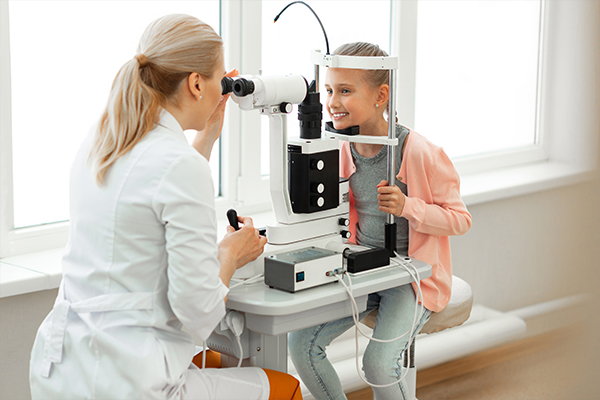
During your appointment, we’ll examine your eyes and explain which treatment options may suit your condition and lifestyle. You’ll receive expert advice and a clear, personalised plan.

STEP 3: ENJOY FREEDOM
After treatment, many people feel relief knowing their eyes are healthier and their sight is clearer. With proper care, you can look forward to years of confident, comfortable vision.
Take the first step toward clearer, healthier vision
Book an appointment to learn more about your eyes and the treatment options that may suit you
Take the first step toward clearer, healthier vision
Book an appointment to learn more about your eyes and the treatment options that may suit you


Hi, I’m Dr Shanel Sharma
I’m an ophthalmologist with subspecialty training in paediatric eye conditions, strabismus, medical retina and general ophthalmology from leading hospitals in Sydney and London, including Moorfields Eye Hospital. I hold a Fellowship with RANZCO and have published widely in peer-reviewed journals. My focus is providing careful, individualised care using evidence-based treatments. I’m accredited to treat a range of conditions and perform procedures including intravitreal injections, strabismus surgery and botulinum toxin treatments. I always aim to make the process clear, calm and supportive.

Hi, I’m Dr Daya Sharma
I’m a cataract, corneal and refractive surgeon with subspecialty training from Moorfields Eye Hospital in London and Sydney Eye Hospital. I perform laser vision correction procedures, refractive lens surgery, and advanced cataract surgery using the latest diagnostic and surgical technology. My work is focused on helping people reduce their dependence on glasses and improve their quality of vision at all distances. I’m actively involved in research, publication and surgical education, and I take pride in offering honest, thorough guidance to every patient. My approach is personal, careful and always tailored to individual needs and lifestyles.