




WHAT IS LASIK?
LASIK (Laser-Assisted In Situ Keratomileusis) is one of the most commonly performed forms of laser vision correction. It reshapes the clear front surface of the eye (the cornea) to reduce dependence on glasses or contact lenses for many everyday activities.
LASIK may be suitable for some people with myopia (short-sightedness), hyperopia (long-sightedness) and astigmatism, following a comprehensive suitability assessment.
Although LASIK is well known, it is only one of several vision correction procedures. Depending on your prescription, corneal measurements, lifestyle and visual goals, another procedure such as SMILE, PRK, Implantable Collamer Lens (ICL) or Refractive Lens Exchange may be more appropriate.
Our role is to understand your eyes, explain every appropriate option and help you make an informed decision about your vision.
How does LASIK work?
LASIK improves vision by changing the shape of the cornea, the clear front surface of the eye. This allows light to focus more accurately inside the eye, helping to reduce blurred vision caused by myopia, hyperopia and astigmatism.
During the procedure, Dr Daya Sharma creates a very thin flap in the outer layers of the cornea using a femtosecond laser. He gently lifts this flap before using an excimer laser to reshape the underlying corneal tissue according to your personalised treatment plan. Once the treatment is complete, he carefully repositions the flap, allowing the eye to begin healing naturally.
Although the laser treatment itself usually takes only a few minutes for each eye, the success of LASIK depends far more on careful planning than on the procedure itself. Before recommending surgery, we perform a comprehensive assessment of your prescription, corneal shape and thickness, tear film and overall eye health to determine whether LASIK is the most appropriate option for you.
If you would like to understand why refractive errors occur and how changing the shape of the cornea improves vision, our Understanding Refractive Errors guide explains these concepts with simple diagrams and illustrations.

AM I SUITABLE FOR LASIK?
Whether LASIK is appropriate depends on much more than your glasses prescription. A comprehensive assessment helps us determine whether your eyes can safely support LASIK and whether it is likely to achieve the visual outcome you hope for.
LASIK may be suitable for some people with myopia, hyperopia or astigmatism. Most suitable candidates are over 18 years of age and have maintained a stable prescription for at least 12 months.
During your assessment we evaluate:
- your prescription
- your age
- corneal thickness and shape
- tear film and ocular surface health
- pupil size
- overall eye health
- lifestyle, occupation and sporting activities
- your visual goals and expectations.
What if I am 40 and beginning to rely on reading glasses?
If you are considering LASIK and have started needing reading glasses, modern vision correction may involve a different discussion.
While conventional LASIK can successfully correct myopia, hyperopia and astigmatism, treatments such as PresbyLASIK, monovision or Refractive Lens Exchange may provide more appropriate options for some patients.
Every patient’s eyes are different. Understanding which approach best suits your prescription, natural lens and lifestyle begins with a comprehensive assessment.
If LASIK is not the most appropriate option, we will explain why and discuss alternatives such as SMILE, PRK, Implantable Collamer Lens (ICL) or Refractive Lens Exchange, depending on your eyes and visual goals.
If you would like to understand how we determine suitability, visit our Laser Eye Surgery Suitability Assessment guide.
WHAT HAPPENS DURING LASIK?
LASIK is a carefully planned procedure that usually takes only a few minutes for each eye.
Before treatment begins, we apply anaesthetic eye drops to maximise comfort. Dr Daya Sharma then creates a thin corneal flap using a femtosecond laser. After gently lifting the flap, he uses an excimer laser to reshape the underlying corneal tissue according to your personalised treatment plan. He then carefully repositions the flap, allowing healing to begin immediately.
Although the procedure itself is quick, every stage is carefully planned. Detailed measurements taken during your assessment allow us to personalise treatment to your eyes rather than relying solely on your glasses prescription.
Most suitable patients notice clearer vision within the first day, although recovery varies between individuals and vision continues to stabilise as the eye heals.
If you would like to understand what to expect after surgery, including returning to work, driving, exercise and follow-up appointments, read our guide to LASIK Recovery.

Recovery After LASIK
One of the reasons many suitable patients choose LASIK is that vision often improves quickly. Many people notice clearer vision within the first day, although every eye heals at its own pace.
During the first few weeks, it is important to use your prescribed eye drops, attend your follow-up appointments and protect your eyes while healing continues. We will provide personalised instructions about driving, work, exercise, swimming and other activities based on your recovery.
Although most patients recover smoothly, healing continues beyond the first few days. Vision may continue to stabilise over several weeks as the surface of the eye recovers.
Recovery varies between procedures. If you are considering other forms of laser vision correction, you may find these guides helpful:
Compare LASIK, SMILE & PRK
SMILE Laser Eye Surgery
PRK Laser Eye Surgery
Benefits and Limitations of LASIK
LASIK has helped millions of people reduce their dependence on glasses and contact lenses. For many suitable patients, it offers rapid visual recovery, excellent visual outcomes and decades of clinical experience.
Potential benefits may include:
- Reduced dependence on glasses or contact lenses.
- Rapid recovery for many suitable patients.
- Treatment of myopia, hyperopia and astigmatism.
- Personalised treatment planning.
- Proven long-term clinical experience.
Like all surgical procedures, LASIK also has limitations. It is not suitable for everyone, and natural age-related changes to the eye continue throughout life. Some patients still require glasses for certain activities, particularly reading later in life. Temporary dry eye symptoms, glare or halos may occur during recovery, and every procedure carries potential risks.
If you are deciding between procedures, our LASIK vs SMILE vs PRK comparison guide explains the differences between each option and the situations where they may be considered.

When Another Vision Correction Procedure May Be More Appropriate
There is no single “best” vision correction procedure.
While LASIK is an excellent option for many suitable patients, another procedure may better match your prescription, corneal measurements, lifestyle or long-term visual goals.
Following your assessment, we may recommend:
- SMILE for selected patients seeking a flap-free laser procedure.
- PRK when a surface laser treatment is more appropriate.
- Implantable Collamer Lens (ICL) for selected patients with higher prescriptions or where laser vision correction is not the preferred option.
- Refractive Lens Exchange for selected patients, particularly those with presbyopia or early changes within the natural lens.
If you are unsure which procedure may suit you best, start with our LASIK vs SMILE vs PRK comparison guide, which explains how we choose the most appropriate treatment for each patient.
What Are the Risks of LASIK?
Every surgical procedure involves potential benefits, limitations and risks.
Most patients recover without significant complications, but no procedure can guarantee a particular outcome. Understanding the potential risks forms an important part of making an informed decision.
Potential risks may include:
- temporary dry eye symptoms
glare or halos around lights - under-correction or over-correction
- regression of vision over time
- infection or inflammation
- the need for enhancement surgery
- rare complications that may affect vision.
A comprehensive assessment of your eyes and understanding your lifestyle helps us identify factors that may increase risk and determine whether LASIK is the most appropriate procedure. If another treatment is likely to provide a safer or more suitable outcome, we will explain why and discuss those options with you.
If you would like to compare the benefits, limitations and recovery of different laser procedures, visit our LASIK vs SMILE vs PRK comparison guide.

Frequently Asked Questions About LASIK
Is LASIK permanent?
LASIK permanently reshapes the cornea, so the correction itself does not wear off. However, your eyes continue to change naturally throughout life. You may still develop presbyopia (age-related reading vision changes) or cataracts later in life, which can affect your vision independently of your LASIK treatment.
Does LASIK hurt?
Most patients experience little or no pain during LASIK because we numb the eye with anaesthetic drops. You may notice pressure or mild sensations during the procedure, but these are usually brief. Some people experience temporary irritation, watering or light sensitivity during the first few hours after surgery.
How long does LASIK take?
The laser treatment itself usually takes only a few minutes for each eye. Your appointment is longer because we perform final checks, prepare your eyes and review your recovery instructions before you leave.
How quickly will my vision improve?
Many suitable patients notice clearer vision within the first day, although every eye heals differently. Vision often continues to improve and stabilise over the following days and weeks.
When can I return to work?
Many people return to office-based work within one or two days. If your work involves dust, water, heavy physical activity or a higher risk of eye injury, we may recommend waiting longer. We’ll provide personalised advice based on your occupation and recovery.
Will I still need glasses after LASIK?
Many patients become much less dependent on glasses for everyday activities. However, no procedure can guarantee complete freedom from glasses. As you get older, you may still need reading glasses because of presbyopia, and some people continue to use glasses for certain tasks.
Can LASIK treat astigmatism?
Yes. LASIK can treat many cases of astigmatism as well as myopia and hyperopia. Whether LASIK is appropriate depends on your prescription, corneal measurements and overall eye health.
Am I too old for LASIK?
There is no upper age limit for LASIK. Suitability depends more on the health of your eyes than your age. For some patients over 45 or those developing early lens changes, Refractive Lens Exchange may provide a better long-term solution.
What if I have been told I am not suitable for LASIK?
Being unsuitable for LASIK does not necessarily mean you are unsuitable for vision correction surgery. Depending on your eyes, another procedure such as SMILE, PRK, Implantable Collamer Lens (ICL) or Refractive Lens Exchange may still be appropriate. A comprehensive assessment helps determine which options are suitable for your eyes.
Is LASIK better than SMILE or PRK?
There is no single “best” laser vision correction procedure. LASIK, SMILE and PRK each have advantages and limitations. The most appropriate option depends on your prescription, corneal shape and thickness, lifestyle, occupation and long-term visual goals.
To learn more, visit our LASIK vs SMILE vs PRK comparison guide.
Can I have LASIK if I have thin corneas?
Some people with thinner corneas may still be suitable for LASIK, while others may achieve a safer or better outcome with another procedure. Corneal thickness is only one factor we assess. Corneal shape, stability, prescription and the amount of tissue that would need to be removed are equally important.
Can I play sport after LASIK?
Most patients return to many sporting activities once the eye has healed sufficiently. The timing depends on the type of sport and your recovery. If you participate in contact sports, we will discuss whether another procedure, such as SMILE or PRK, may be more appropriate.
What are the risks of LASIK?
Like every surgical procedure, LASIK carries potential risks as well as potential benefits. These may include temporary dry eye symptoms, glare or halos, under-correction, over-correction, infection and, rarely, more serious complications. A comprehensive assessment helps us determine whether LASIK is appropriate and allows us to discuss the benefits, limitations, risks and alternatives before you decide.How do I know if LASIK is right for me?
The best way to find out is through a comprehensive assessment. We evaluate your prescription, corneal measurements, tear film, eye health, lifestyle and visual goals before recommending the most appropriate treatment. In some cases, LASIK is the best option. In others, another laser or lens-based procedure may provide a better long-term outcome.
You can also start with our 2-minute Vision Correction Suitability Assessment, which provides an indication of the options that may be appropriate for your eyes.
Why choose Eye & Laser Surgeons for LASIK?
Rather than starting with the procedure, we start with your eyes. We believe every patient deserves to understand their vision, their options and the reasons behind every recommendation. If LASIK is the most appropriate treatment, we’ll explain why. If another option is likely to provide a better outcome, we’ll explain that too. Our goal is to help you make an informed decision with confidence.
COULD LASER VISION CORRECTION BE RIGHT FOR YOU?
Could Laser Vision Correction Be Right for You?
Whether you’re considering SMILE Laser Vision Correction, LASIK, PRK, an Implantable Collamer Lens (ICL) or Refractive Lens Exchange, the first step is understanding your eyes.
Every patient is different. During your consultation, we perform a comprehensive assessment of your prescription, corneal measurements, tear film, eye health, lifestyle and visual goals before recommending the most appropriate treatment. We’ll explain the potential benefits, limitations, risks and alternatives so you can make an informed decision with confidence.
If you’re not quite ready for a consultation, our 2-minute Vision Correction Suitability Assessment is a simple way to explore which treatment options may be appropriate for your eyes.

Understand your vision correction options in 3 EASY STEPS.
A comprehensive assessment can help determine whether refractive surgery may be appropriate and which options deserve consideration. We will explain the findings, expected benefits, limitations, risks and alternatives so you can make an informed decision.

STEP 1: GET IN TOUCH
Every eye is different. The first step is to find out which treatment could help you see more clearly and protect your long-term vision. Call our caring team or use our online calendar to book an appointment.
STEP 2: WE’LL MEET
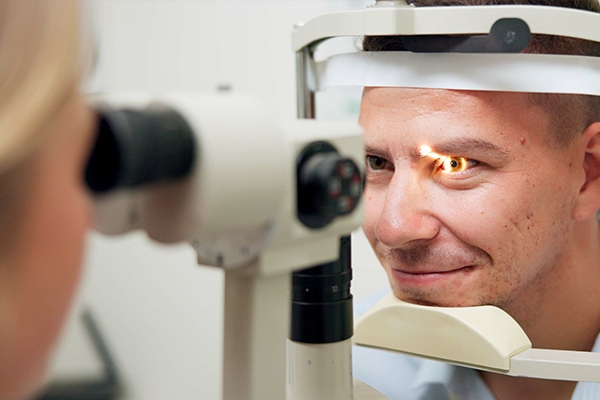
During your appointment, we’ll examine your eyes and explain which treatment options may suit your condition and lifestyle. You’ll receive expert advice and a clear, personalised plan.

STEP 3: ENJOY FREEDOM
After treatment, many people feel relief knowing their eyes are healthier and their sight is clearer. With proper care, you can look forward to years of confident, comfortable vision.

Academic resources on laser eye surgery
Learn more from authoritative clinical publications. These links will take you off our website

Hi, I’m Dr Shanel Sharma
I’m an ophthalmologist with subspecialty training in paediatric eye conditions, strabismus, medical retina and general ophthalmology from leading hospitals in Sydney and London, including Moorfields Eye Hospital. I hold a Fellowship with RANZCO and have published widely in peer-reviewed journals. My focus is providing careful, individualised care using evidence-based treatments. I’m accredited to treat a range of conditions and perform procedures including intravitreal injections, strabismus surgery and botulinum toxin treatments. I always aim to make the process clear, calm and supportive.

Hi, I’m Dr Daya Sharma
I’m a cataract, corneal and refractive surgeon with subspecialty training from Moorfields Eye Hospital in London and Sydney Eye Hospital. I perform laser vision correction procedures, refractive lens surgery, and advanced cataract surgery using the latest diagnostic and surgical technology. My work is focused on helping people reduce their dependence on glasses and improve their quality of vision at all distances. I’m actively involved in research, publication and surgical education, and I take pride in offering honest, thorough guidance to every patient. My approach is personal, careful and always tailored to individual needs and lifestyles.