

What are cataracts?
If your vision looks cloudy or blurry, you may have cataracts. Cataracts are very common. They often happen as we get older. The good news is that help is available.
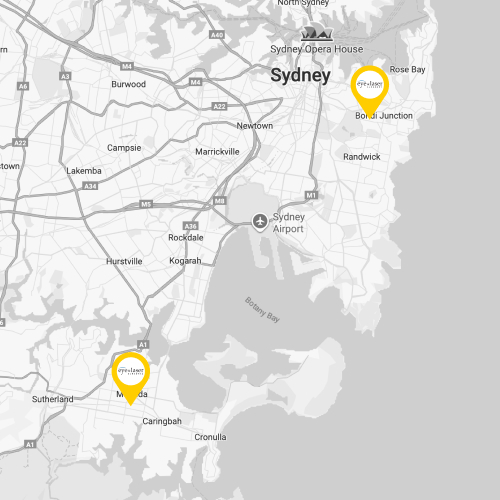
At Eye & Laser Surgeons Sydney in Bondi Junction and Miranda, our team, led by Dr Daya Sharma and Dr Shanel Sharma, treats many people with cataracts each year. In this blog, we explain what cataracts are, the signs to look for, and how they can be treated
What is a cataract?
A cataract is when the clear lens in your eye becomes cloudy1https://www.mayoclinic.org/diseases-conditions/cataracts/symptoms-causes/syc-20353790 .
Your eye has a natural lens. It helps you focus. When you are young, this lens is clear. Light can pass through it easily. This helps you see sharp images.
Over time, the lens can become cloudy. When this happens, it is called a cataract. The cloudiness can make your vision blurry or dull.
Cataracts are not a growth on the eye. They are a change inside the lens.
What causes cataracts?
The most common cause of cataracts is ageing 2https://www.mayoclinic.org/diseases-conditions/cataracts/symptoms-causes/syc-20353790 . As we get older, the proteins in the lens can break down. This can make the lens cloudy.
Other factors can also play a role. People with diabetes may have a higher risk3https://diabetes.org/health-wellness/eye-health/curious-about-cataracts . Smoking can increase the chance of lens changes. Long-term sun exposure without eye protection may also contribute. An eye injury can lead to cataract formation. Long-term use of some medicines, such as steroids, may increase risk as well.
Some babies are born with cataracts, but this is less common4 https://www.nhs.uk/conditions/childhood-cataracts/ .
What are the symptoms of cataracts?
Cataracts often start slowly. You may not notice them at first. Over time, your vision may change.
You may have blurry or cloudy vision. It may become harder to see at night. Bright lights may cause glare. You may see halos around lights. Colours can look faded or more yellow than before5https://www.mayoclinic.org/diseases-conditions/cataracts/symptoms-causes/syc-20353790 . Some people find they need to change their glasses more often.
Many people say it feels like looking through a foggy window.
If you notice changes in your vision, it is important to have an eye check.
Are cataracts painful?
Cataracts are usually not painful6https://www.nhs.uk/conditions/cataracts/ .
They do not cause redness or soreness. The main problem is poor vision. This can affect daily life. You may find it harder to drive, read, cook, or watch TV.
If you have sudden pain or sudden vision loss, seek urgent medical care. These symptoms may be caused by another eye condition and need prompt review.
Who is at risk?
Cataracts are very common in older adults. Many people over the age of 60 have some clouding of the lens.
You may have a higher risk if you have diabetes, if you smoke, or if you spend a lot of time in the sun without eye protection. A past eye injury can also increase risk. Some people have a family history of cataracts.
Wearing sunglasses with UV protection may help reduce the risk linked to sun exposure.
How are cataracts diagnosed?
Dr Daya Sharma and Dr Shanel Sharma check for cataracts during a full eye examination.
Our team will ask about your symptoms and test your vision. They will use special lights and lenses to look inside your eye. These tests are painless. They help us see if the lens is cloudy and how much it is affecting your sight7https://www.fightforsight.org.uk/a-z-eye-conditions/cataracts/?gad_source=1&gad_campaignid=20285975038&gbraid=0AAAAADk2KRSq-bHmYu5j4ThOzgx4hzADC&gclid=Cj0KCQiAtfXMBhDzARIsAJ0jp3CJQVS85qt1KV8x3jusw7Ee9RLzadDatqE_PDAlnCVbxJz3J3t0AQwaAm9rEALw_wcB#diagnosis .
Regular eye checks are important, especially as you get older.
Can cataracts be treated?
Cataracts do not go away on their own.
In the early stages, stronger glasses or brighter lighting may help. As the cataract grows, glasses may no longer give clear vision.
The only way to remove a cataract is with surgery.
What is cataract surgery?
Cataract surgery is a common procedure. During surgery, the cloudy lens is removed. It is replaced with a clear artificial lens, called an intraocular lens.
The procedure is usually done as day surgery, which means you go home the same day. The surgery often takes less than 30 minutes8https://www.nhs.uk/tests-and-treatments/cataract-surgery/ . You are usually awake, but your eye is numbed to help keep you comfortable.
Like all surgery, cataract surgery has risks9https://www.aao.org/eye-health/tips-prevention/side-effects-cataract-surgery-complications-cope#:~:text=Floaters%20or%20Flashes%20of%20Lights%20After%20Cataract,out%20of%20the%20way%20on%20their%20own. . These can include infection, swelling, or changes in vision. Your surgeon will explain the possible risks and benefits before you decide. Every person is different, and outcomes can vary. A full assessment is needed to assess for the presence of other eye diseases that may affect the outcome.
What happens after surgery?
After surgery, your eye may feel slightly scratchy. Your vision may be blurry at first. This often improves over days to weeks as your eye heals10 https://www.nhs.uk/tests-and-treatments/cataract-surgery/ .
You will need to use prescribed eye drops and attend follow-up visits. You may be asked to avoid heavy lifting or strenuous activity for a short time11 https://www.nhs.uk/tests-and-treatments/cataract-surgery/ .
Many people notice brighter and clearer vision soon after the procedure. We have different strategies for correcting the prescription with surgery; for some people, aiming for complete independence from glasses is appropriate. For other people, dependence on glasses for certain activities may be a better option12 https://www.nhs.uk/tests-and-treatments/cataract-surgery/ . Dr Daya Sharma and Dr Shanel Sharma will discuss what you may expect based on your individual eye health.
When should you see an eye specialist?
You should book an eye check with us if you notice blurry vision, increased glare at night, trouble reading or driving, or frequent changes in your glasses13 https://www.nhs.uk/tests-and-treatments/cataract-surgery/ .
Early assessment can help detect cataracts and other eye conditions. At Eye & Laser Surgeons Sydney in Bondi Junction and Miranda, our experienced team provides detailed eye examinations. We take the time to explain your options and answer your questions in a clear and supportive way.
Taking the next step
Cataracts are a common part of ageing. They can make daily life more difficult. Treatment options are available, and an assessment can help you understand what is right for you.
If you are concerned about cloudy or blurry vision, book an appointment at Eye & Laser Surgeons Sydney in Bondi Junction and Miranda today.
Clearer vision may begin with one simple step.
Find out if you are suitable for vision correction
Not everyone is eligible for vision correction surgery.
Find out if you could benefit from this life changing surgery by taking the quick self-suitability quiz below: