
Myopia and Vision Correction: When Are You Ready?
Modern vision correction procedures such as LASIK, SMILE and ICL can reduce dependence on glasses and contact lenses once myopia is stable. The most important first step is determining whether progression has stopped.
Introduction
For many people with myopia, the long-term goal is freedom from glasses or contact lenses.
However, before considering vision correction, one question matters most:
Is your myopia stable?
This is where myopia management and refractive surgery connect.
Vision Correction Does Not Stop Myopia Progression.
Procedures such as:
correct refractive error.
They do not stop axial elongation of the eye.
This is why confirming stability is essential before treatment.
The First Step: Myopia Management
Before considering surgery: the priority is stabilising eye growth
This is particularly important in:
- children
- teenagers
- young adults with changing prescriptions
Role of Dr Shanel Sharma
Dr Shanel Sharma focuses on:
- assessing progression risk
- monitoring axial elongation
- guiding myopia management strategies
Treatment may include:
- outdoor light strategies
- atropine therapy
- myopia control lenses such as Stellest and MiYOSMART
Learn more about myopia management in children
When is Myopia Stable?
Myopia may be considered stable when:
- prescriptions stop changing
- axial length stabilises
- progression slows over time
This usually requires monitoring over several years.
Signs Your Vision May Still Be Changing
- increasing prescription
- worsening distance vision
- needing stronger glasses regularly
Read more about adult myopia and changing vision in your 20s
Vision Correction Options
Once stability is confirmed, vision correction options may include:
LASIK
Laser reshaping of the cornea to correct refractive error.
SMILE
A minimally invasive laser procedure that removes a small lenticule from within the cornea.
PRK
Surface laser treatment often considered in selected corneal situations.
ICL (Implantable Collamer Lens)
An implantable lens option used in suitable patients, including some with higher levels of myopia.
Which Option is Best?
There is no single “best” procedure.
The right option depends on:
- prescription
- corneal shape
- ocular surface health
- lifestyle
- occupational needs
- long-term eye health
Role of Dr Daya Sharma
Dr Daya Sharma is a refractive and cataract surgeon with expertise in:
The aim is to identify which option is safest and most appropriate for the individual patient.
Important Long term Perspective
Even after successful vision correction: long-term eye health remains important
This is particularly relevant in patients with:
- high axial length
- previous progressive myopia
- retinal risk factors
Modern myopia management continues to evolve.
Explore new myopia treatments
Stopping treatment too early may lead to worsening vision again.
Learn about myopia rebound.
Considering Vision Correction for Myopia?
The first step is determining whether your myopia is stable and which treatment options may suit your eyes.
- Book an assessment at Eye and Laser Surgeons
- Undertake our online vision correction suitability self test
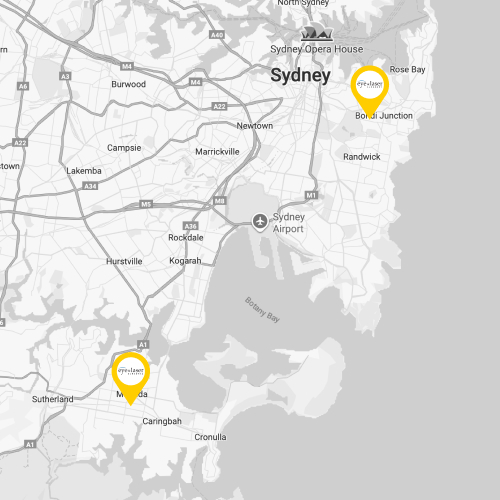
- Bondi Junction & Miranda
Frequently Asked Questions
Can LASIK stop myopia progression?
No. LASIK corrects refractive error but does not stop axial elongation of the eye.
Why does myopia need to be stable before surgery?
If vision is still changing, the long-term result may be less predictable.
What vision correction options are available for myopia?
Options may include LASIK, SMILE, PRK and ICL. The right choice depends on the individual eye.
Can young adults have laser vision correction?
Yes, if myopia is stable and the eyes are otherwise suitable.
What if my prescription is still changing?
Further monitoring may be needed before treatment is considered.
Is there a “best” procedure for myopia?
No. Different procedures suit different patients depending on anatomy, lifestyle and prescription.