



Macular Degeneration Diet, Vitamins and Prevention (AREDS2)

Learn which vitamins and diet may help macular degeneration. Understand AREDS2 supplements, lutein, zeaxanthin and foods that support retinal health.

Macular Degeneration Diet, Vitamins and Prevention (AREDS2)

Learn which vitamins and diet may help macular degeneration. Understand AREDS2 supplements, lutein, zeaxanthin and foods that support retinal health.

Learn how macular degeneration affects vision and what to watch for

Understand the cause and symptoms of macular degeneration

Certain nutrients including lutein, zeaxanthin, zinc and antioxidants may support retinal health in people with age-related macular degeneration (AMD). The AREDS2 clinical trial demonstrated that a specific combination of vitamins may reduce the risk of progression to advanced AMD in some patients. Diet alone does not cure macular degeneration but may form part of a broader management strategy.


The macula is the central part of the retina responsible for detailed vision such as reading, recognising faces and driving.

It is one of the most metabolically active tissues in the body and is constantly exposed to:

  • light-induced oxidative stress
  • high oxygen demand
  • metabolic activity within retinal cells

Over time these factors contribute to cellular damage and inflammation in age-related macular degeneration.

Nutrients with antioxidant and anti-inflammatory properties may help support retinal cell function and reduce oxidative stress within the macula.

For this reason diet and nutritional supplementation are often discussed as part of long-term management of macular degeneration.

The Age-Related Eye Disease Study (AREDS) and the later AREDS2 trial are the most important studies guiding vitamin use in macular degeneration.

The AREDS2 study found that a specific combination of vitamins and minerals may:

  • reduce the risk of progression to advanced macular degeneration
  • particularly in patients with intermediate AMD or advanced AMD in one eye

These supplements do not cure macular degeneration but may help reduce the likelihood of disease progression in selected patients.

Lutein 10mg daily and Zeaxanthin 2mg daily

These carotenoids are naturally concentrated in the macula.

They help:

  • filter blue light
  • support contrast sensitivity
  • protect retinal cells from oxidative damage

Foods rich in these nutrients include leafy green vegetables such as spinach and kale.

Vitamin C 500 mg daily

Vitamin C is an antioxidant that helps neutralise free radicals and reduce oxidative damage in retinal cells.

Vitamin E 400IU daily

Vitamin E helps protect cell membranes and may support retinal tissue health.

Zinc as Zinc Oxide 80mg daily

Zinc plays an important role in retinal metabolism and helps transport vitamin A within the retina.

Copper 2mg (to prevent copper deficiency caused by high zinc)

Copper is included in the AREDS2 formulation to prevent copper deficiency that can occur when zinc is taken in higher doses.

AREDS2 supplements are typically considered for patients with:

  • intermediate macular degeneration
  • large drusen visible on retinal examination
  • advanced AMD in one eye

They are not routinely recommended for:

  • early macular degeneration
  • people without AMD

Patients should always discuss supplementation with their eye care professional before starting vitamins.

A healthy diet may support retinal function and overall eye health.

Although diet cannot cure macular degeneration, certain foods provide nutrients that are important for the retina.

Leafy green vegetables

Spinach, kale and silverbeet contain high levels of lutein and zeaxanthin which accumulate in the macula and help protect retinal cells.

Fish rich in omega-3 fatty acids

Fish such as:

  • salmon
  • sardines
  • mackerel
  • trout
  • anchovies

contain omega-3 fatty acids which may support retinal cell membranes and reduce inflammation.

Nuts and seeds

Almonds, walnuts, sunflower seeds and flax seeds contain

  • vitamin E
  • zinc
  • healthy fats

which may contribute to retinal health.

Colourful fruits and vegetables

Brightly coloured foods such as berries, capsicum, carrots and sweet potatoes contain antioxidants that help protect retinal cells from oxidative stress.

Many studies suggest that a Mediterranean-style diet may be associated with a lower risk of macular degeneration progression.

This dietary pattern emphasises:

  • leafy green vegetables
  • fish and seafood
  • olive oil
  • nuts and legumes
  • whole grains
  • fruits and vegetables

The Mediterranean diet supports vascular health and may help reduce inflammation which may benefit retinal tissues.

Diet and vitamins:

  • do not cure macular degeneration
  • do not reverse retinal damage
  • do not replace regular eye examinations

However they may play a supportive role in maintaining retinal health and reducing the risk of progression in certain patients.

Management of macular degeneration usually involves several strategies depending on the stage and type of disease.

These may include:

  • regular retinal monitoring and OCT imaging
  • AREDS2 supplementation when appropriate
  • dietary and lifestyle measures
  • treatment of wet macular degeneration with injections
  • treatments for geographic atrophy such as Syfovre
    functional support therapies such as MacuMira

Diet should therefore be viewed as one part of a comprehensive management plan rather than a standalone treatment.

Patients should seek medical assessment if they experience:

  • distortion of straight lines
  • blurred central vision
  • difficulty reading
  • sudden changes in vision

Early detection allows more effective monitoring and treatment.

Macular degeneration requires accurate diagnosis and ongoing monitoring.

At Eye & Laser Surgeons, patients can undergo detailed retinal assessment and imaging to determine the most appropriate management strategy.

Dr Shanel Sharma and
Dr Daya Sharma

are specialist ophthalmologists.

Both trained at Sydney Eye Hospital and completed fellowship training at Moorfields Eye Hospital in London.

What vitamins help macular degeneration?

The AREDS2 formulation containing lutein, zeaxanthin, vitamin C, vitamin E and zinc has the strongest clinical evidence for reducing progression risk in certain patients.

Should everyone with macular degeneration take AREDS2 vitamins?

No. AREDS2 supplements are generally recommended only for patients with intermediate AMD or advanced AMD in one eye.

Can diet reverse macular degeneration?

Diet cannot reverse retinal damage caused by macular degeneration but a healthy diet may support retinal health.

What is the best diet for macular degeneration?

A Mediterranean-style diet rich in leafy greens, fish, nuts and vegetables is commonly recommended.

GAIN VISUAL FREEDOM IN 3 EASY STEPS

Eye treatment options can be confusing, we’ve made the path to healthier vision easy to follow

STEP 1: GET IN TOUCH

Every eye is different, and early assessment is essential when it comes to macular degeneration. The first step is to arrange a comprehensive eye examination so we can understand your symptoms and assess your retinal health. Call our caring team or use our online calendar to book your appointment.
STEP 2: WE’LL ASSESS & PLAN

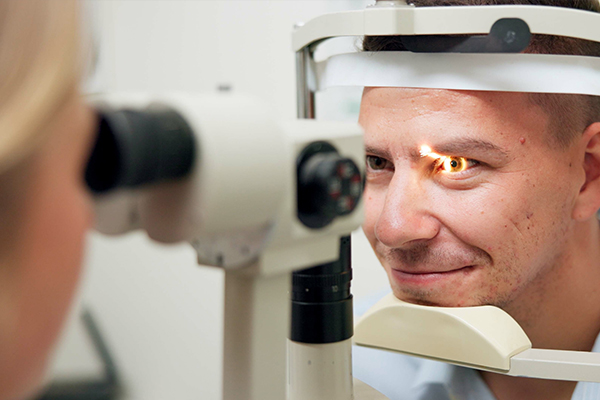
During your visit, we’ll carry out detailed diagnostic tests to confirm whether macular degeneration is present and determine its stage. We’ll explain your diagnosis clearly, create a personalised treatment and monitoring plan, and work with you to protect your vision for the future.

STEP 3: ONGOING CARE & SUPPORT

Managing macular degeneration is an ongoing journey. With regular monitoring, tailored treatment, and expert guidance, we’ll work together to help maintain your vision, support your eye health, and give you confidence in your long-term care.


Take the first step toward clearer, healthier vision

Book an appointment to learn more about your eyes and the treatment options that may suit you

Take the first step toward clearer, healthier vision

Book an appointment to learn more about your eyes and the treatment options that may suit you

Hi, I’m Dr Daya Sharma

I’m a cataract, corneal and refractive surgeon with subspecialty training from Moorfields Eye Hospital in London and Sydney Eye Hospital. I perform laser vision correction procedures, refractive lens surgery, and advanced cataract surgery using the latest diagnostic and surgical technology. My work is focused on helping people reduce their dependence on glasses and improve their quality of vision at all distances. I’m actively involved in research, publication and surgical education, and I take pride in offering honest, thorough guidance to every patient. My approach is personal, careful and always tailored to individual needs and lifestyles.
Hi, I’m Dr Shanel Sharma

I’m an ophthalmologist with subspecialty training in paediatric eye conditions, strabismus, medical retina and general ophthalmology from leading hospitals in Sydney and London, including Moorfields Eye Hospital. I hold a Fellowship with RANZCO and have published widely in peer-reviewed journals. My focus is providing careful, individualised care using evidence-based treatments. I’m accredited to treat a range of conditions and perform procedures including intravitreal injections, strabismus surgery and botulinum toxin treatments. I always aim to make the process clear, calm and supportive.