
Minimally invasive glaucoma surgery (MIGS)
The iStent is a minimally invasive glaucoma surgery (MIGS) procedure used to lower intraocular pressure in patients with glaucoma or ocular hypertension. The iStent improves fluid drainage through the eye’s natural drainage system and is commonly performed during cataract surgery. At Eye & Laser Surgeons in Sydney, Dr Shanel Sharma and Dr Daya Sharma provide comprehensive glaucoma assessment, MIGS procedures and cataract surgery using modern imaging and evidence-based surgical approaches.
The iStent is one of the most commonly used minimally invasive glaucoma surgery procedures worldwide.
It is designed to:
- lower eye pressure
- improve aqueous fluid drainage
- reduce treatment burden
- potentially reduce reliance on glaucoma eye drops
What is the iStent?
The iStent is a very small implant placed into the eye’s drainage pathway.
It bypasses resistance within the trabecular meshwork and improves aqueous outflow from the eye.
The goal is to:
- lower intraocular pressure
- improve pressure stability
- reduce glaucoma progression risk
What is MIGS?
MIGS stands for minimally invasive glaucoma surgery.
Compared with traditional glaucoma surgery, MIGS procedures generally involve:
- smaller incisions
- faster recovery
- lower complication rates
However, MIGS procedures may not lower pressure as much as trabeculectomy in advanced glaucoma.
Who may benefit from iStent surgery?
iStent may be considered for patients with:
- mild to moderate glaucoma
- ocular hypertension
- cataract & glaucoma requiring surgery
- difficulty tolerating glaucoma drops
- already underwent recent SLT treatment but requires additional IOP lowering.
Suitability depends on:
- glaucoma severity
- target eye pressure
- drainage angle anatomy
- optic nerve status
Is iStent performed during cataract surgery?
Yes.
The iStent is commonly implanted during cataract surgery as part of a combined procedure.
This allows treatment of:
during the same operation.
Potential benefits of iStent
Potential benefits may include:
- lower eye pressure
- reduced glaucoma drop burden
- minimally invasive approach
- faster recovery than traditional surgery
Some patients still require glaucoma drops after surgery depending on target pressure and glaucoma severity.
Experience with iStent surgery in Australia
Dr Daya Sharma was among the earlier Australian ophthalmologists trained in iStent surgery during the introduction of minimally invasive glaucoma surgery (MIGS) techniques in Australia.
At Eye & Laser Surgeons in Sydney, glaucoma assessment and surgical planning incorporate:
- optic nerve evaluation
- OCT imaging
- visual field testing
- cataract assessment
- long-term pressure management goals
Treatment recommendations are individualised based on:
- glaucoma severity
- target intraocular pressure
- ocular surface health
- cataract status
- lifestyle considerations
The aim is to achieve safe long-term pressure control while minimising treatment burden wherever appropriate.
Common questions about iStent surgery
Patients researching glaucoma surgery often ask similar questions regarding:
- safety
- recovery
- cataract surgery
- glaucoma drops
- long-term outcomes
Is iStent surgery minimally invasive?
Yes.
The iStent trabecular micro-bypass stent is a type of minimally invasive glaucoma surgery (MIGS). It helps lower eye pressure while causing less disruption to the eye than traditional glaucoma surgery.
Surgeons place the iStent through a very small incision, often during cataract surgery. Because the procedure uses a minimally invasive approach, recovery is typically faster than with more traditional glaucoma operations.
Does iStent surgery replace glaucoma drops completely?
Not always.
Some patients:
- reduce the number of glaucoma medications required
- remain stable with fewer drops
- continue requiring glaucoma treatment long-term
The goal is long-term pressure control and optic nerve protection rather than simply eliminating medication.
Is iStent surgery safer than traditional glaucoma surgery?
MIGS procedures such as iStent generally involve:
- smaller incisions
- faster recovery
- reduced tissue disruption
- lower complication rates compared with trabeculectomy
However, traditional glaucoma surgery may still achieve lower target pressures in advanced glaucoma.
The most appropriate procedure depends on:
- glaucoma severity
- optic nerve damage
- pressure goals
- previous treatment response
Can iStent surgery be performed during cataract surgery?
Yes.
The iStent is commonly implanted during cataract surgery as part of a combined cataract and glaucoma procedure.
This allows treatment of:
- cataract
- elevated eye pressure
- glaucoma
during a single operation.
How effective is the iStent?
Clinical studies demonstrated that iStent implantation usually:
- lowers intraocular pressure
- reduce glaucoma medication burden
- improve long-term pressure control in selected patients
The iStent works by bypassing resistance within the trabecular meshwork and improving aqueous fluid drainage through Schlemm’s canal.
Is iStent surgery painful?
iStent surgery is usually performed under local anaesthesia with sedation during cataract surgery.
Patients typically experience:
- pressure sensation rather than pain
- mild irritation afterwards
- temporary blurred vision during recovery
Recovery is often faster than after traditional glaucoma surgery.
Who may be suitable for iStent surgery?
Suitability depends on:
- glaucoma type
- glaucoma severity
- drainage angle anatomy
- target eye pressure
- cataract status
- optic nerve health
Comprehensive glaucoma testing is important before deciding whether MIGS surgery is appropriate.
Can glaucoma still progress after iStent surgery?
Yes.
Glaucoma remains a chronic condition requiring ongoing monitoring even after successful surgery.
The goal of treatment is to:
- lower eye pressure
- reduce progression risk
- preserve long-term vision
Evidence supporting iStent surgery
The iStent trabecular micro-bypass stent has been studied extensively in peer-reviewed research for the treatment of open-angle glaucoma.
Published research demonstrated:
- improved aqueous outflow
- reduced intraocular pressure
- reduction in glaucoma medication burden in selected patients
The device works by bypassing resistance at the trabecular meshwork and improving access to Schlemm’s canal drainage pathways.
Book a Glaucoma consultation
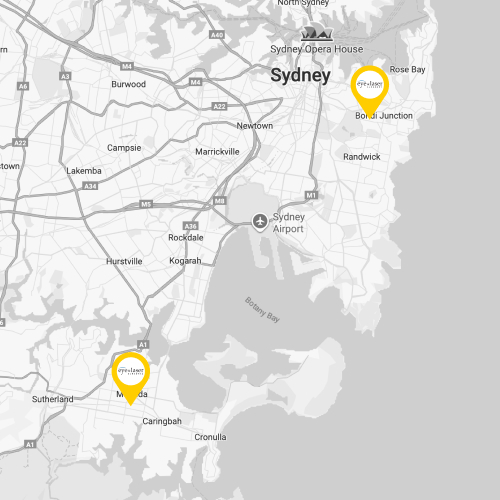
Eye and Laser Surgeons — Bondi Junction & Miranda
Bondi Junction: (02) 9387 5300
Miranda: (02) 9531 5300
Email: reception@eyeandlaser.com.au