
Ocular Hypertension in Sydney
Understanding high eye pressure and glaucoma risk
Ocular hypertension refers to elevated intraocular pressure without detectable optic nerve damage or visual field loss. Patients with ocular hypertension have an increased risk of developing glaucoma over time, particularly when additional risk factors are present. At Eye & Laser Surgeons in Sydney, Dr Shanel Sharma and Dr Daya Sharma provide comprehensive glaucoma assessment, monitoring and treatment for patients with elevated eye pressure using modern imaging and evidence-based treatment approaches.
Ocular hypertension is common and often causes no symptoms.
Many patients only discover they have elevated eye pressure during a routine eye examination.
Not everyone with ocular hypertension develops glaucoma, but careful monitoring is important because high intraocular pressure remains one of the major risk factors for optic nerve damage.
What is ocular hypertension?
Ocular hypertension means the pressure inside the eye (intraocular pressure or IOP) is higher than normal, but there is no clear evidence of glaucoma damage.
This means:
- the optic nerve appears healthy
- visual field testing remains normal
- no definite glaucoma-related vision loss is detected
Some patients remain stable for many years without treatment.
Others gradually develop glaucoma over time.
What causes high eye pressure?
Eye pressure rises when fluid inside the eye does not drain efficiently through the trabecular meshwork.
Potential glaucoma risk factors include:
- genetics
- age
- reduced drainage efficiency
- steroid medications
- eye anatomy
Eye pressure can also fluctuate naturally throughout the day.
Why does ocular hypertension matter?
Ocular hypertension increases the risk of developing glaucoma.
Glaucoma damages the optic nerve gradually and often causes no symptoms until permanent vision loss has occurred.
Reducing intraocular pressure is currently the only proven way to reduce the risk of glaucoma progression.
Does everyone with ocular hypertension need treatment?
No.
Some patients are monitored without treatment, while others benefit from pressure-lowering therapy.
The decision depends on:
- eye pressure level
- optic nerve appearance
- corneal thickness
- age
- family history
- overall glaucoma risk
Patients with higher risk profiles may benefit from earlier treatment.
How is ocular hypertension monitored?
Monitoring may include:
- eye pressure measurement
- optic nerve examination
- OCT imaging
- visual field testing
- corneal thickness measurement
- drainage angle assessment
These tests help detect early glaucoma changes before symptoms develop.
What treatments are available?
Treatment aims to lower intraocular pressure and reduce glaucoma risk.
Options may include:
- monitoring only
- glaucoma eye drops
- Selective Laser Trabeculoplasty (SLT)
- glaucoma surgery in selected cases
The most appropriate approach depends on individual risk and pressure levels.
What is SLT for ocular hypertension?
Selective Laser Trabeculoplasty (SLT) is a minimally invasive glaucoma laser treatment used to lower eye pressure.
SLT:
- is performed in clinic
- usually takes less than 5 minutes
- does not involve incisions
- may reduce reliance on eye drops
Large clinical studies demonstrated that SLT is effective for many patients with elevated eye pressure and early glaucoma.
What are the risk factors for glaucoma?
Patients with ocular hypertension may have increased glaucoma risk if they also have:
- family history of glaucoma
- thin corneas
- older age
- high levels of eye pressure
- optic nerve abnormalities
- myopia (short-sightedness)
Assessment of these risk factors helps guide treatment decisions.
Can ocular hypertension cause symptoms?
Ocular hypertension usually causes no symptoms.
Most patients:
- do not notice pain
- do not notice blurred vision
- are unaware pressure is elevated
This is why regular eye examinations are important, particularly in higher-risk patients.
Can ocular hypertension be cured?
There is no permanent cure for ocular hypertension.
The goal of treatment and monitoring is to:
- reduce glaucoma risk
- protect the optic nerve
- preserve long-term vision
Many patients maintain stable vision long-term with appropriate monitoring and treatment.
Why choose Eye & Laser Surgeons for ocular hypertension management in Sydney?
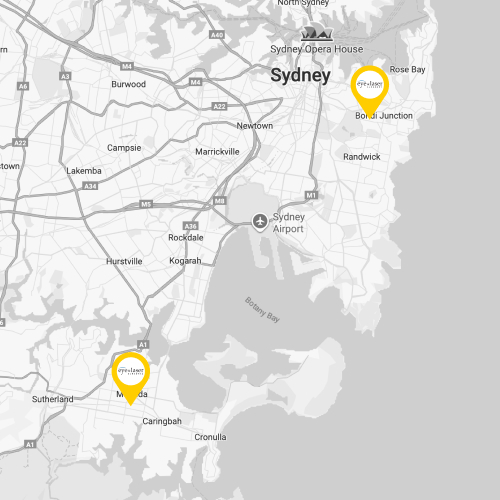
Eye & Laser Surgeons provides comprehensive glaucoma assessment and monitoring in Sydney with clinics in:
Dr Shanel Sharma and Dr Daya Sharma provide:
- glaucoma risk assessment
- OCT imaging
- visual field testing
- glaucoma laser treatment
- long-term glaucoma monitoring
Patients are assessed individually with attention to:
- optic nerve preservation
- long-term visual outcomes
- treatment burden
- lifestyle considerations
Frequently Asked Questions
Is ocular hypertension the same as glaucoma?
No. Ocular hypertension means elevated eye pressure without detectable optic nerve damage or visual field loss.
Can high eye pressure damage the eye?
Yes. Elevated intraocular pressure increases the risk of optic nerve damage and glaucoma over time.
What eye pressure is considered high?
Normal intraocular pressure usually ranges between approximately 10 and 21 mmHg, although glaucoma can occur even within this range in some patients.
Can SLT treat ocular hypertension?
Yes. SLT may reduce eye pressure in selected patients with ocular hypertension.
Does ocular hypertension always require treatment?
No. Some patients are monitored without treatment, while others benefit from eye drops or SLT depending on their glaucoma risk profile.
Book an ocular hypertension consultation in Sydney
If you have elevated eye pressure or concerns about glaucoma risk, a comprehensive assessment can help determine whether monitoring or treatment may be appropriate.
Book a Glaucoma consultation
Eye and Laser Surgeons — Bondi Junction & Miranda
Bondi Junction: (02) 9387 5300
Miranda: (02) 9531 5300
Email: reception@eyeandlaser.com.au