
Who is at risk of glaucoma?
The risk factors that predispose to glaucoma include elevated intraocular pressure, increasing age, family history, myopia, thin corneas and certain optic nerve characteristics. Patients with ocular hypertension or additional risk factors may require earlier or more frequent glaucoma testing. At Eye & Laser Surgeons in Sydney, Dr Shanel Sharma and Dr Daya Sharma provide comprehensive glaucoma risk assessment using modern imaging, optic nerve analysis and evidence-based monitoring protocols.
Glaucoma often develops slowly and without symptoms.
Many patients remain unaware they have glaucoma until optic nerve damage has already occurred.
Understanding the risk factors for developing glaucoma helps:
- identify higher-risk patients
- guide glaucoma testing frequency
- improve early detection
- reduce the risk of permanent vision loss
What are the major risk factors for glaucoma?
Glaucoma risk is influenced by multiple factors.
The most important risk factors include:
- elevated eye pressure
- increasing age
- family history of glaucoma
- myopia (short-sightedness)
- thin corneas
- optic nerve appearance
Risk increases further when several factors occur together.
Elevated eye pressure
High intraocular pressure (IOP) remains one of the most important risk factors for developing glaucoma.
Not everyone with elevated eye pressure develops glaucoma, but higher pressure increases the likelihood of optic nerve damage over time.
Patients with ocular hypertension often require:
- regular monitoring
- optic nerve assessment
- visual field testing
Family history of glaucoma
A family history of glaucoma significantly increases risk.
Patients with:
- a parent with glaucoma
- siblings with glaucoma
- multiple affected relatives
may benefit from earlier and more frequent glaucoma testing.
Because glaucoma often causes no early symptoms, family members may remain undiagnosed for years.
Age and glaucoma risk
Glaucoma risk increases with age.
Although glaucoma can occur in younger patients, the likelihood rises progressively after:
- age 40
- particularly after age 60
Age-related changes in the drainage system and optic nerve may contribute to increasing risk over time.
Myopia and glaucoma
Myopia (short-sightedness) is associated with increased glaucoma risk.
Highly myopic eyes may:
- have structural optic nerve differences
- be more difficult to assess clinically
- have increased susceptibility to optic nerve damage
Careful imaging and long-term monitoring are often important in myopic patients.
Thin corneas
Corneal thickness affects both:
- glaucoma risk
- eye pressure measurement accuracy
Patients with thinner corneas may:
- have underestimated pressure readings
- have increased risk of glaucoma progression
Corneal thickness measurement forms an important part of glaucoma assessment.
Ethnicity and glaucoma
Some glaucoma types occur more commonly in certain populations.
Examples include:
- higher rates of open-angle glaucoma in patients of African ancestry
- higher rates of angle-closure glaucoma in some Asian populations
Risk assessment therefore considers both individual and population-level factors.
Steroid medications and glaucoma risk
Steroid medications can elevate intraocular pressure in some patients.
Examples include:
- steroid eye drops
- inhaled steroids
- oral steroids
- steroid injections
Patients requiring long-term steroid treatment may benefit from glaucoma monitoring.
Diabetes, vascular disease and glaucoma
Some systemic medical conditions may influence glaucoma risk.
Examples include:
- diabetes
- vascular disease
- low blood pressure
- sleep apnoea
The relationship between these conditions and glaucoma is complex and continues to be studied.
Why does glaucoma risk assessment matter?
Glaucoma damage is irreversible.
Early detection allows:
- earlier treatment
- pressure reduction
- optic nerve protection
- lower risk of vision loss
Many patients maintain excellent long-term vision when glaucoma is detected early and monitored appropriately.
What testing may be recommended?
Depending on risk level, glaucoma assessment may include:
- eye pressure testing
- OCT imaging
- visual field testing
- optic nerve examination
- corneal thickness measurement
- drainage angle assessment
Can glaucoma be prevented?
Not all glaucoma can be prevented.
However:
- early detection
- regular monitoring
- appropriate pressure reduction
may significantly reduce the risk of permanent vision loss.
Treatment options may include:
- monitoring
- glaucoma eye drops
- SLT laser treatment
- glaucoma surgery in selected cases
Why choose Eye & Laser Surgeons for glaucoma assessment in Sydney?
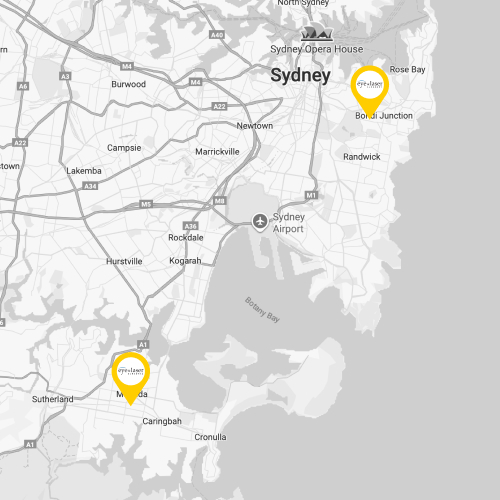
Eye & Laser Surgeons provides comprehensive glaucoma risk assessment and monitoring in Sydney with clinics in:
Dr Shanel Sharma and Dr Daya Sharma provide:
- glaucoma testing
- OCT imaging
- visual field testing
- glaucoma laser treatment
- long-term glaucoma monitoring
Patients are assessed individually using evidence-based glaucoma assessment protocols and modern diagnostic imaging.
Frequently Asked Questions
What is the biggest risk factor for glaucoma?
Elevated eye pressure is one of the most important modifiable risk factors.
Does glaucoma run in families?
Yes. A family history of glaucoma significantly increases glaucoma risk.
Can young people develop glaucoma?
Yes. Although glaucoma becomes more common with age, younger patients can also develop glaucoma.
Does myopia increase glaucoma risk?
Yes. Myopia, particularly high myopia, is associated with increased glaucoma risk.
How often should high-risk patients be tested?
This depends on the individual risk profile and examination findings. Some patients benefit from yearly monitoring, while others require more frequent review.
Book glaucoma testing in Sydney
If you have elevated eye pressure, a family history of glaucoma or concerns about glaucoma risk, comprehensive assessment can help determine the most appropriate monitoring or treatment approach.
Book a Glaucoma consultation
Eye and Laser Surgeons — Bondi Junction & Miranda
Bondi Junction: (02) 9387 5300
Miranda: (02) 9531 5300
Email: reception@eyeandlaser.com.au