
Myopia in Children: Why Short-Sightedness Is Increasing and How Treatment Can Help
Myopia, also known as short-sightedness, is becoming increasingly common in children around the world. In recent decades, the number of children developing myopia has risen significantly. As a result, eye care professionals are paying closer attention to early detection and treatment.
Myopia occurs when the eye grows too long from front to back. Consequently, light entering the eye focuses in front of the retina instead of directly on it. This causes distant objects to appear blurred while near vision remains clear.
Although myopia can usually be corrected with glasses or contact lenses, progressive myopia can increase the risk of eye diseases later in life. Fortunately, modern treatments are now available that may help slow the progression of myopia in children.
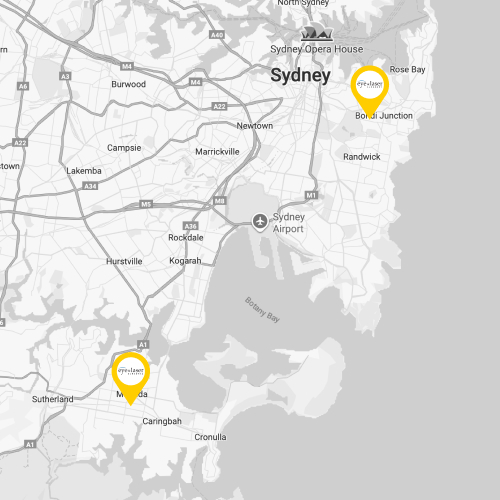
At Eye & Laser Surgeons in Sydney, Dr Shanel Sharma assesses children with myopia and provides guidance on strategies to slow myopia progression.
Key Points
- Myopia in children is becoming more common worldwide
- Increased screen use and reduced outdoor activity may contribute
- Early detection is important for long-term eye health
- Modern treatments may slow the progression of myopia
- Regular eye examinations help monitor eye growth
Why Is Myopia Becoming More Common?
Researchers have observed a dramatic increase in myopia over the past few decades. In some parts of the world, particularly in East Asia, up to 80–90% of young adults are now myopic.
Several factors appear to contribute to this increase.
First, children today spend more time focusing on near tasks such as reading, studying and using digital devices. At the same time, many children spend less time outdoors.
Studies suggest that time spent outdoors may play a protective role in eye development. The brightness of natural light and distance viewing appear to help regulate normal eye growth.
Therefore, reduced outdoor activity may increase the likelihood of developing myopia.
Genetics also plays an important role. Children with one or both parents who are myopic have a higher chance of developing myopia themselves.
Research Evidence: Bright Visible Light Helps Protect Against Myopia
A growing body of scientific research suggests that bright visible light exposure plays an important role in regulating eye growth and reducing the risk of myopia development.
Importantly, several experimental studies have demonstrated that this protective effect occurs even when ultraviolet (UV) wavelengths are filtered out, indicating that the mechanism is driven by visible light rather than UV radiation.
Key research findings include:
• Ashby & Schaeffel (chick model)
Experimental studies in chicks exposed to high-intensity light showed a strong reduction in experimentally induced myopia. In these experiments the lighting environment was UV filtered, demonstrating that bright visible light alone was protective.
• Tree shrew models of refractive development
Research in tree shrews has also shown that bright visible light slows axial elongation and reduces the development of myopia, again without requiring ultraviolet exposure.
Together, these studies support the theory that bright light stimulates dopamine release in the retina, which helps regulate eye growth and acts as a natural brake on excessive eye elongation.
Because the protective effect is driven by visible light rather than UV exposure, children should still wear UV-protective sunglasses when outdoors, particularly in countries such as Australia where ultraviolet levels are high.
For this reason, many eye care professionals now recommend encouraging children to spend at least two hours outdoors each day, where possible, as part of strategies to reduce the risk of developing myopia.
Why Is Progressive Myopia a Concern?
Mild myopia mainly causes blurred distance vision. However, higher levels of myopia, particularly when the axial length of the eye is greater than 26mm, can increase the risk of several eye diseases later in life.
These may include:
- retinal detachment
- myopic macular degeneration
- glaucoma
- early cataracts
For this reason, slowing the progression of myopia during childhood has become an important goal in eye care.
Signs of Myopia in Children
Children may not always recognise that their vision is blurred. Therefore, parents and teachers often notice the first signs.
Common signs include:
- squinting to see distant objects
- sitting very close to screens
- difficulty seeing the classroom board
- frequent headaches
- holding books very close to the face
If these symptoms occur, an eye examination is recommended.
How Is Myopia Diagnosed?
An eye examination can determine whether a child has myopia and measure its severity.
During the assessment, the eye doctor may perform:
- visual acuity testing
- refraction testing
- eye health examination
- measurement of eye length in some cases
These tests help determine whether treatment to slow myopia progression may be beneficial.
Treatment Options to Slow Myopia Progression
Several treatment strategies may help slow the progression of myopia in children.
The most appropriate option depends on the child’s age, eye measurements and lifestyle.
Increasing Outdoor Time
Encouraging children to spend more time outdoors may help reduce the risk of developing myopia.
Many experts recommend at least two hours of outdoor activity per day where possible.
Specialised Myopia Control Glasses
Certain spectacle lens designs have been developed to help slow myopia progression.
These lenses alter how light focuses on the peripheral retina, which may influence eye growth.
Myopia Control Contact Lenses
Some soft contact lenses are designed specifically for myopia control.
These lenses use specialised optical designs that aim to slow eye elongation while providing clear vision.
Low-Dose Atropine Eye Drops
Low-dose atropine eye drops are sometimes used to slow myopia progression.
These drops are typically used once daily and are carefully monitored by an ophthalmologist.
Studies have shown that low-dose atropine may significantly reduce the rate at which myopia progresses in some children.
Why Early Detection Matters
Early detection of myopia allows treatment strategies to begin sooner.
Because the eye continues to grow throughout childhood, interventions during these years may help reduce the final level of myopia.
Regular eye examinations also ensure that children have clear vision for school and daily activities.
Myopia Assessment for Children in Sydney
At Eye & Laser Surgeons in Sydney, children with myopia undergo a detailed eye examination to assess their vision and eye development.
Dr Shanel Sharma is a specialist ophthalmologist who assesses children with vision problems and provides guidance on appropriate treatment strategies for myopia.
Early assessment can help determine whether myopia control treatments may be beneficial.
Frequently Asked Questions
At what age can children develop myopia?
Myopia can develop at almost any age, but it commonly appears during primary school years.
Can myopia be reversed?
Myopia cannot currently be reversed, but treatments may slow its progression.
How often should children have their eyes checked?
Children should usually have their eyes examined every one to two years, or sooner if vision problems develop.
Does screen time cause myopia?
Screen time alone does not cause myopia, but prolonged near work combined with limited outdoor activity may increase the risk.
Can myopia be treated permanently?
Myopia cannot currently be reversed during childhood. However, treatments such as specialised lenses or atropine drops may help slow its progression while the eyes are growing.
Once eye growth has stabilised in adulthood, laser vision correction may be considered in suitable patients to reduce dependence on glasses or contact lenses.
Find out if you are suitable for vision correction
Not everyone is eligible for vision correction surgery.
Find out if you could benefit from this life changing surgery by taking the quick self-suitability quiz below: