

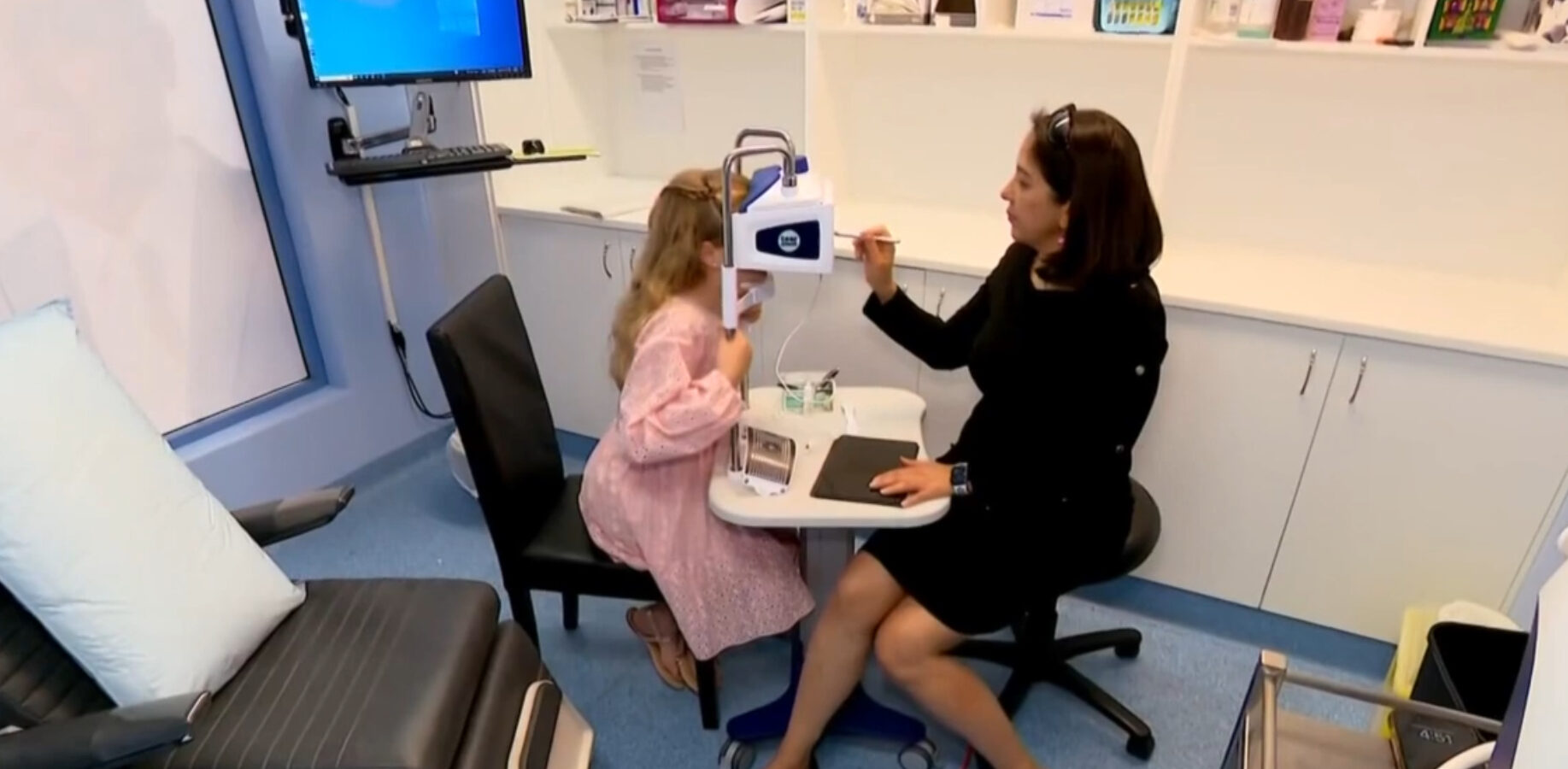
Watch this Short Video - Dr. Shanel Sharma Discusses Dry Eye Disease
Why Dry Eye Treatment Often Fails
Many people think Dry Eye is simply caused by not having enough tears. In fact, this is a common misunderstanding. It is actually a group of conditions with different causes. In many cases, more than one factor is involved.
For example, the problem may involve:
- the tear layer
- the oil layer
- the mucous layer
- inflammation
- eyelid disease
- or even the way you blink
For this reason, treatment needs to be tailored to each person.
As a result, standard eye drops and simple home remedies often provide only short-term relief. In fact, for some people, they may not help at all.
If you have already tried basic treatments without success, then the next step is different, Instead, it is important to find the underlying cause.
At Eye and Laser Surgeons, we take a structured approach. First, we assess which part of the tear film is affected. Next, we identify any contributing factors. Finally, we tailor treatment to your specific condition.
Dry Eye Disease: Causes, Symptoms and Treatment in Sydney
What Is Dry Eye Disease?
In fact, Dry Eye Disease affects a lot of people of all ages. In fact, it is one of the most common eye conditions. The tear film has three layers: oil, water, and mucous. However, many people think Dry Eye is caused by a lack of tears, which is only true in some cases. Because of this, symptoms can be more difficult to manage without targeted treatment.
Sometimes, one or more of these layers is deficient. As a result, the eye surface becomes unstable. This can lead to patients experiencing irritation, blurred vision, and discomfort.
Common Symptoms of Dry Eye
Dry Eye symptoms can vary due to time of day, activity and the surrounding environment. As a result, symptoms may change throughout the day.
Common symptoms include:
- Dryness or a gritty sensation
- Burning or stinging
- Redness
- Blurred vision (often improves briefly after blinking)
- Sensitivity to light
- Excessive tearing (watery eyes)
- Eye fatigue, sometimes with eyelid twitching
- Discomfort during screen use
- Contact lens intolerance
Sometimes vision improves after blinking. This matters because it is a key sign of tear instability. If symptoms continue, drops alone are not enough. For this reason, the next step is to identify what is actually causing it.
Why Dry Eye Is So Common Today
In particular, modern life plays a major role in the increase. For example, we now spend more time looking at screens than ever before.
For example, common triggers include:
- Staring activities (less blinking)
- Air conditioning
- Wind exposure
- Allergies
Because of this, symptoms are often ongoing. Without targeted treatment, these symptoms often persist.
Common Causes of Dry Eye Disease
Dry Eye has multiple causes. Often, more than one cause is present at any time. For this reason, a single treatment approach is often not enough.
Meibomian Gland Dysfunction (MGD)
The meibomian glands produce the oil layer - the outer layer of the tear film. In particular, this layer plays a key role in preventing evaporation. If there is not enough oil, tears evaporate too quickly. Because of this, the ocular surface dries out.
As a result, the patient may develop:
- Thick oil secretions
- Eyelid inflammation
- Poor tear stability
- Chronic irritation
Age-Related Changes
In many cases, tear production tends to decrease with age, which explains why symptoms often become more noticeable over time.
Dry Eye is more common in:
- Adults over 50
- Post-menopausal individuals
- People with long-term digital device use
3. Medical Conditions and Medications
In some people, medical conditions can cause Dry Eye.
These include:
- Sjögren’s Syndrome
- Thyroid disease
- Diabetes
- Autoimmune conditions
In addition, some medications reduce tear production. Hence, a medication review is important.
How Dry Eye Is Diagnosed
At Eye & Laser Surgeons, we use a structured and targeted approach to diagnose Dry Eye Disease.
Assessment typically includes:
- Tear film analysis
- Tear break-up time
- Meibomian gland evaluation
- Ocular surface staining
- Lifestyle review
Our goal is simple: identify which part of the tear film is not functioning properly—and treat that specific issue.
Lifestyle Strategies to Improve Dry Eye Symptoms
In many cases, small changes can improve eye comfort. For example, simple adjustments can reduce symptoms quickly.
Helpful strategies include:
- Using a humidifier indoors
- Adjusting screen position (slightly below eye level)
- Taking regular visual breaks
- Wearing protective eyewear outdoors
- Getting enough key nutrients (Omega-3, Vitamin A, B12, Vitamin D)
As a result, tear film stability improves. In many cases, this leads to more consistent vision, and symptoms often become easier to manage.
Evidence-Based Dry Eye Treatment (Tailored to You)
Dry Eye treatment should always be based on the reason for your symptoms. For this reason, identifying the cause is essential. In many cases, symptoms persist without targeted treatment.
For Tear Deficiency
- Preservative-free lubricating drops
- Nutritional support
- Anti-inflammatory therapies
For Meibomian Gland Dysfunction (MGD)
- Heat and massage therapy
- Eyelid hygiene
- Intense Pulsed Light therapy (IPL)
- Meibomian gland expression
For Mixed or Complex Cases
- Combination therapy
- Long-term management strategies
- Ongoing monitoring and adjustment
Why Treating Dry Eye Before Surgery Matters
If you are planning cataract surgery or laser vision correction (LASIK, PRK, or SMILE), it is important to address Dry Eye first.
In fact, this step plays a direct role in your final visual outcome.
1. Dry Eye Affects Cataract Surgery Measurement Accuracy
Accurate measurements are essential before surgery, and these measurements depend on a stable tear film.
However, an unstable tear film can:
- Distort measurements
- Reduce accuracy
- Affect surgical planning
Because of this, it can affect:
- Lens selection in cataract surgery
- Laser treatment accuracy
- Astigmatism correction
In simple terms: if the surface is unstable, the plan may be less precise.
2. Dry Eye Can Affect Visual Outcomes
Even when surgery is performed perfectly, untreated Dry Eye can still affect how you see.
Therefore, some patients may notice:
- Intermittent blurry vision
- Reduced clarity or contrast
- Glare or visual discomfort
For this reason, their vision may feel “not quite right” despite a technically successful procedure.
3. Eye Surgery Can Temporarily Worsen Dry Eye
In some cases, procedures can temporarily affect the tear film.
For example:
- LASIK / PRK / SMILE may disrupt some of the corneal nerves
- Cataract surgery can alter the ocular surface environment due to the post operative drops
Because of any pre-existing unaddressed Dry Eye disease, symptoms may become more noticeable after surgery.
4. Treating Dry Eye First Improves Outcomes
On the other hand, when Dry Eye is treated before surgery, outcomes are usually better.
So, patients often experience:
- More accurate measurements
- More predictable results
- Faster recovery
- Improved visual quality
Therefore, preparing the eye surface is one of the most important steps in surgical planning.
Our Approach at Eye and Laser Surgeons
At Eye and Laser Surgeons, Dr Daya Sharma and Dr Shanel Sharma will routinely assess the tear film before proceeding with surgery.
For example, this may include:
- Treating Meibomian Gland Dysfunction
- Improving tear stability
- Managing inflammation
- Using targeted therapies such as Intense Pulsed Light therapy where appropriate
The goal is simple: Create a stable, healthy tear film before surgery—so your results match expectations.
What This Means for You
If you are planning:
Then a Dry Eye assessment should be part of your preparation—not an afterthought.
Take the Next Step
The most effective first step is a detailed Dry Eye assessment to identify what is behind the symptoms.
Call us:
- Bondi Junction: (02) 9387 5300
- Miranda: (02) 9531 5300
Book your Dry Eye assessment today and take the first step toward clearer, more comfortable vision. Click Here.
References -
- Tear Film & Ocular Surface Society (TFOS) 2017, TFOS DEWS II report, TFOS, viewed 31 March 2026.
- American Academy of Ophthalmology (AAO) 2023, Dry eye syndrome, AAO, viewed 31 March 2026.
- National Eye Institute (NEI) 2022, Dry eye, U.S. Department of Health & Human Services, viewed 31 March 2026.
Find out if you are suitable for vision correction
Not everyone is eligible for vision correction surgery.
Find out if you could benefit from this life changing surgery by taking the quick self-suitability quiz below: