
SLT vs Glaucoma Eye Drops
Selective Laser Trabeculoplasty (SLT) is a minimally invasive glaucoma laser treatment used to lower eye pressure in patients with open-angle glaucoma and ocular hypertension. Performed in clinic in less than 5 minutes, SLT improves drainage through the trabecular meshwork and may reduce reliance on long-term glaucoma eye drops. At Eye & Laser Surgeons in Sydney, Dr Shanel Sharma and Dr Daya Sharma offer evidence-based glaucoma care using modern diagnostic imaging and laser technology.
Laser treatment compared with daily glaucoma drops
When patients are diagnosed with glaucoma or ocular hypertension, treatment traditionally begins with daily eye drops.
Today, many patients are surprised to learn that a quick laser procedure called Selective Laser Trabeculoplasty (SLT) may reduce or delay the need for long-term drops.
Both treatments can lower eye pressure effectively. The right option depends on:
- the type of glaucoma
- the severity of optic nerve damage
- the target eye pressure
- lifestyle and personal preferences
What are glaucoma eye drops?
Glaucoma eye drops lower pressure inside the eye (intraocular pressure or IOP).
Different drops work in different ways:
- reducing fluid production inside the eye
- improving drainage
- or both
Eye drops remain an important treatment for many patients with glaucoma and are often very effective.
However, drops usually need to be taken every day for many years.
Problems with long-term glaucoma drops
Many patients tolerate glaucoma drops well.
Others experience:
- dry eye symptoms
- redness
- irritation
- allergy
- difficulty remembering drops
- difficulty physically administering drops
Over time, some patients find the ongoing treatment burden challenging.
This is one reason why interest in glaucoma laser treatment has increased significantly in recent years.
What is SLT?
Selective Laser Trabeculoplasty (SLT) is a minimally invasive laser treatment designed to improve fluid drainage through the eye’s natural drainage system — the trabecular meshwork.
The procedure:
- is performed in the clinic
- usually takes less than 5 minutes
- does not involve incisions or stitches
- is generally well tolerated
Most patients are able to return to normal activities the same day.
How does SLT work?
SLT uses low-energy laser pulses that selectively target pigment-containing cells in the drainage angle of the eye.
This stimulates a biological response that improves aqueous fluid outflow and lowers intraocular pressure.
Unlike more invasive glaucoma surgery, SLT does not create a drainage hole or remove tissue.
What does the evidence show?
The most important study comparing SLT with eye drops is the LiGHT Trial, published in The Lancet and later extended to 6-year follow-up LiGHT Study.
The trial demonstrated that:
- approximately 74% of patients treated initially with SLT remained drop-free at 3 years
- SLT provided comparable or better pressure control than drops
- fewer patients required glaucoma surgery
Long-term follow-up showed:
- approximately 70% of eyes remained controlled without drops or surgery at 6 years
- lower rates of glaucoma progression compared with initial drop treatment
These studies significantly influenced international glaucoma guidelines and increased the use of SLT as a first-line treatment option.
SLT vs eye drops — comparison
| Feature | SLT | Glaucoma Eye Drops |
|---|---|---|
| Daily treatment required | No | Yes |
| Procedure time | ~5 minutes | Ongoing – at least daily |
| Long-term adherence issues | Lower | Common |
| Ocular surface irritation | Less common | More common |
| Repeatable | Yes | N/A |
| In-clinic procedure | Yes | No |
| Evidence-based | Yes | Yes |
Which patients may prefer SLT?
SLT may be particularly attractive for patients who:
- struggle with daily drops
- have dry eye symptoms
- travel frequently
- prefer to reduce long-term medication use
- have difficulty remembering drops
Some patients also prefer SLT because it reduces the ongoing reminder of chronic disease associated with daily medication use.
Which patients may still need eye drops?
SLT does not eliminate the need for drops in every patient.
Some patients still require:
- additional glaucoma drops
- combined treatment
- glaucoma surgery for advanced disease
The goal is not necessarily to avoid all medication, but to achieve safe long-term pressure control and protect the optic nerve.
Is SLT safer than glaucoma drops?
Both treatments are generally considered safe.
The difference is often:
- convenience
- tolerability
- long-term adherence
SLT has demonstrated a strong long-term safety profile in major clinical studies.
Eye drops, while effective, may contribute to chronic ocular surface irritation in some patients.
Is SLT better than glaucoma drops?
There is no single treatment that is best for every patient.
Some patients do extremely well with drops alone.
Others prefer:
- reduced medication burden
- fewer ocular surface side effects
- a more convenient long-term approach
A detailed glaucoma assessment is important before deciding on treatment.
This may include:
- optic nerve examination
- OCT imaging
- visual field testing
- eye pressure measurement
- corneal thickness assessment
Why are more patients choosing SLT in Sydney?
Interest in SLT has increased substantially in Sydney and internationally following the publication of the LiGHT Trial.
Patients are increasingly aware that:
- SLT is quick
- recovery is minimal
- long-term drop reduction may be possible
- the treatment is supported by strong clinical evidence
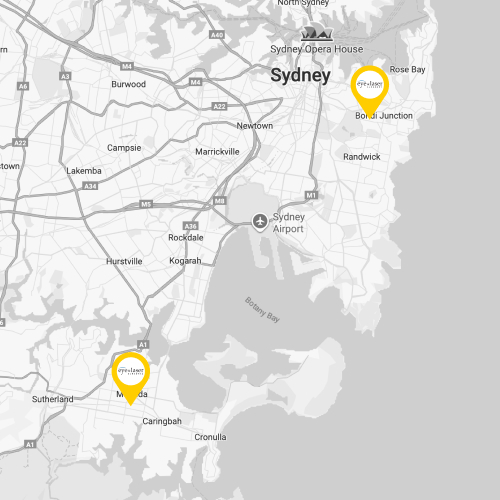
At Eye & Laser Surgeons, Dr Shanel Sharma and Dr Daya Sharma provide evidence-based glaucoma care with clinics in Bondi Junction and Miranda.
Frequently Asked Questions
Does SLT completely replace glaucoma eye drops?
Not always. Some patients remain drop-free for years after SLT, while others still require drops or combined treatment.
Is SLT painful?
SLT is generally well tolerated. Anaesthetic drops are used before treatment, and most patients describe the procedure as painless or only mildly uncomfortable.
Can SLT cure glaucoma?
No. SLT lowers eye pressure but does not cure glaucoma. Ongoing monitoring remains important.
How long does SLT last?
The effect varies between individuals but commonly lasts between 1 and 5 years. Repeat SLT is often possible.
Should I choose SLT or drops?
The best option depends on:
- glaucoma severity
- target pressure
- eye health
- lifestyle factors
- personal preference
- SLT has been shown to have less side effects than drops – LiGHT Trial
- Patients who underwent SLT as first treatment were less likely to require glaucoma surgery than those patients who started with drops – 6-year follow-up LiGHT Study.
A consultation with an ophthalmologist can help determine the most appropriate treatment approach.
Book a glaucoma consultation in Sydney
If you have glaucoma, elevated eye pressure, or are considering alternatives to long-term eye drops, an assessment can help determine whether SLT is suitable.
Book a Glaucoma consultation
Eye and Laser Surgeons — Bondi Junction & Miranda
Bondi Junction: (02) 9387 5300
Miranda: (02) 9531 5300
Email: reception@eyeandlaser.com.au