




Relief for dry eyes, chalazion & blepharitis in Sydney

Chalazion, blepharitis and dry eye often occur when inflammation or blockage affects the eyelid oil glands, known as the meibomian glands.

These glands help stabilise the tear film. When they do not work properly, the eyes may feel dry, gritty, watery, red or irritated. Vision may also fluctuate, especially during reading, screen use, wind exposure or air conditioning. Some patients also develop recurrent eyelid lumps, known as chalazia.

At Eye & Laser Surgeons in Sydney, we assess the eyelids, tear film and ocular surface to find the cause of your symptoms. This helps us identify whether the main problem involves blepharitis, meibomian gland dysfunction, tear film instability, chalazion or mixed ocular surface disease.

Treatment may include eyelid hygiene, lubricating drops, anti-inflammatory treatment, management of meibomian gland dysfunction, chalazion treatment, heat therapy, gland massage or IPL treatment for dry eye where appropriate.

Relief for dry eyes, chalazion & blepharitis in Sydney

Expert treatments may unblock glands, restore tear quality and ease eyelid inflammation so you can feel more comfortable again

With specialised eyelid care, you may experience clearer, more comfortable eyes

Find out how modern treatments for dry eye, chalazion and blepharitis may support relief and better eye surface health

An eyelid and ocular surface assessment can help if symptoms continue despite basic treatment, such as warm compresses, lubricating eye drops or eyelid hygiene.

You may benefit from an assessment if you have:

  • Persistent dry, gritty or burning eyes
  • Watery eyes that come and go
  • Recurrent chalazion or eyelid lumps
  • Chronic blepharitis
  • Red, inflamed or crusted eyelids
  • Fluctuating vision during reading or screen use
  • Contact lens discomfort
  • Dry eye before cataract surgery, laser eye surgery or lens surgery
  • Symptoms that affect comfort, vision or daily activities

At Eye & Laser Surgeons in Sydney, we assess the eyelids, tear film, ocular surface and meibomian glands. We then use these findings to recommend treatment for dry eye, chalazion, blepharitis or meibomian gland dysfunction.

  • Treatment works best when your ophthalmologist identifies the cause of the problem first. Chalazion, blepharitis and dry eye often overlap, but each condition may need a different treatment plan.

    For some patients, we start with eyelid hygiene, warm compresses and lubricating eye drops. For others, we may recommend anti-inflammatory treatment, management of meibomian gland dysfunction, meibomian gland expression, lid-margin treatment or chalazion drainage.

    Patients with more significant evaporative dry eye or meibomian gland dysfunction may benefit from our dedicated dry eye service. This may include heat therapy, meibomian gland massage and IPL treatment for dry eye where appropriate.

    At Eye & Laser Surgeons in Sydney, we tailor treatment for dry eye, chalazion and blepharitis to the underlying cause rather than using the same approach for every patient

Treatment starts with finding the cause of the problem. Chalazion, blepharitis and dry eye often overlap, but each condition may need a different treatment plan.

At Eye & Laser Surgeons in Sydney, we assess the eyelids, tear film, ocular surface and meibomian glands. This helps us identify dry eye, blepharitis, chalazion, meibomian gland dysfunction, tear film instability or mixed ocular surface disease.

For mild symptoms, we may start with eyelid hygiene, warm compresses and lubricating eye drops. If inflammation or blocked oil glands contribute to symptoms, we may recommend anti-inflammatory treatment, meibomian gland treatment, gland expression, lid-margin treatment or chalazion drainage.

Patients with more significant evaporative dry eye or meibomian gland dysfunction may benefit from our dedicated dry eye service. This may include heat therapy, meibomian gland massage and IPL treatment for dry eye where appropriate.

Our goal is to tailor treatment to the cause of the problem, reduce irritation, improve tear film stability and lower the risk of recurrent eyelid inflammation or chalazion.

Most dry eye, chalazion and blepharitis treatments carry low risk when your ophthalmologist matches treatment to the cause of the problem. However, side effects can occur, especially when treatment does not suit the underlying eyelid or ocular surface condition.

Lubricating eye drops usually cause few problems. However, some people notice temporary stinging, blurred vision or irritation. Your ophthalmologist may recommend preservative-free lubricants if you need drops often or if you have a sensitive ocular surface.

Warm compresses, eyelid hygiene and lid cleaning may cause temporary redness, irritation or skin sensitivity if you use too much pressure or excessive heat. For this reason, you should clean the eyelids gently and avoid overheating the surrounding skin.

Anti-inflammatory drops or medicated treatments may cause stinging, allergy, raised eye pressure or other side effects, depending on the medication. Your ophthalmologist will explain how to use these treatments safely and monitor your response where needed.

Meibomian gland expression, heat therapy, gland massage and IPL treatment for dry eye may cause temporary redness, tenderness, swelling or irritation around the eyelids. IPL does not suit every patient. Before recommending IPL, we consider your skin type, medications, ocular surface findings and medical history.

Chalazion injection or drainage may cause temporary bruising, bleeding, swelling, discomfort, infection, scarring or recurrence of the lump. Rarely, the chalazion may not fully settle, or another eyelid condition may require further treatment.

At Eye & Laser Surgeons in Sydney, we assess the eyelids, tear film, ocular surface and meibomian glands before recommending dry eye treatment, chalazion treatment or blepharitis treatment. This helps us identify dry eye, blepharitis, chalazion, meibomian gland dysfunction or mixed ocular surface disease and tailor treatment to the cause of the problem.

  • Treatment for chalazion, blepharitis and dry eye starts with identifying the cause of the problem. These conditions often overlap, so treatment should be guided by an assessment of the eyelids, tear film, ocular surface and meibomian glands.

    Step 1: Eyelid and ocular surface assessment

    At Eye & Laser Surgeons in Sydney, your ophthalmologist will examine the eyelids, eyelashes, tear film and ocular surface. This helps determine whether symptoms are mainly caused by blepharitis, meibomian gland dysfunction, tear film instability, reduced tear production, chalazion or mixed ocular surface disease.

    Step 2: Eyelid hygiene and tear film support

    Initial treatment may include eyelid hygiene, warm compresses, lubricating eye drops and changes to environmental or behavioural triggers. These triggers may include prolonged screen use, reduced blinking, air conditioning, wind exposure, contact lens wear, makeup use or inconsistent eyelid hygiene.

    Step 3: Treatment for inflammation and blocked oil glands

    If eyelid inflammation or blocked meibomian glands are contributing, treatment may include anti-inflammatory therapy, lid-margin treatment, meibomian gland expression, heat therapy or gland massage. The aim is to improve oil gland function, stabilise the tear film and reduce irritation.

    Step 4: Chalazion treatment where needed

    A chalazion may improve with warm compresses and treatment of underlying blepharitis or meibomian gland dysfunction. However, if the lump persists, becomes recurrent or affects vision or comfort, further chalazion treatment such as injection or drainage may be considered.

    Step 5: Advanced dry eye treatment for suitable patients

    Some patients with evaporative dry eye or meibomian gland dysfunction may benefit from dedicated dry eye treatments such as heat therapy, gland massage and IPL treatment for dry eye. These treatments are recommended only where suitable after assessment.

    Step 6: Long-term control and follow-up

    Dry eye and blepharitis are often chronic. Therefore, ongoing eyelid hygiene, lubricating drops, trigger management and follow-up may be needed to reduce recurrence and maintain comfort.

    Eye & Laser Surgeons accepts chalazion referrals, blepharitis referrals and dry eye referrals in Sydney. Treatment is tailored to the likely cause of the problem rather than using the same approach for every patient.

  • Treatment for dry eye, chalazion and blepharitis aims to reduce irritation, calm eyelid inflammation, stabilise the tear film and lower the risk of recurrent eyelid lumps. Results vary depending on the cause, severity and how consistently you maintain eyelid care.

    For dry eye, treatment may reduce burning, grittiness, watering, redness and fluctuating vision. Many patients notice better comfort with reading, screen use, contact lens wear, wind or air conditioning. However, dry eye often becomes chronic when meibomian gland dysfunction, screen use, reduced blinking, rosacea or environmental triggers continue.

    For blepharitis, treatment may reduce eyelid crusting, redness, irritation and inflammation. Regular eyelid hygiene, lubricating drops and treatment of meibomian gland dysfunction may also reduce flare-ups. Even so, many patients need long-term maintenance.

    For chalazion, treatment may shrink the eyelid lump, reduce inflammation or help it settle completely. However, chalazia can return if blepharitis, blocked oil glands or meibomian gland dysfunction continue. If a chalazion persists, recurs or affects vision or comfort, your ophthalmologist may recommend injection or drainage.

    At Eye & Laser Surgeons in Sydney, we assess the eyelids, tear film, ocular surface and meibomian glands before recommending dry eye treatment, chalazion treatment or blepharitis treatment. We also accept dry eye referrals, chalazion referrals and blepharitis referrals in Sydney from optometrists, GPs and other health professionals. This approach helps us tailor treatment to the cause of the problem rather than using the same plan for every patient.


Dry eye symptoms can sometimes worsen in the short term after laser eye surgery, including LASIK, PRK, SMILE and other forms of laser vision correction, or after cataract surgery. Patients may notice dryness, grittiness, watering, burning, fluctuating vision or increased sensitivity to screens, wind and air conditioning.

This does not always mean something has gone wrong. Eye surgery can temporarily affect the ocular surface, tear film and corneal nerves. Also, surgery may make pre-existing dry eye, blepharitis or meibomian gland dysfunction more noticeable during healing.

For this reason, we assess the eyelids, tear film, ocular surface and meibomian glands before laser eye surgery, refractive lens exchange or cataract surgery. When we find dry eye, blepharitis or meibomian gland dysfunction, we can treat these problems before surgery where appropriate. This may improve comfort, support healing and help make pre-operative measurements more reliable.

GAIN VISUAL FREEDOM IN 3 EASY STEPS

Eye treatment options can be confusing, we’ve made the path to healthier vision easy to follow

STEP 1: GET IN TOUCH

Every eye is different. The first step is to find out which treatment could help you see more clearly and protect your long-term vision. Call our caring team or use our online calendar to book an appointment.
STEP 2: WE’LL MEET

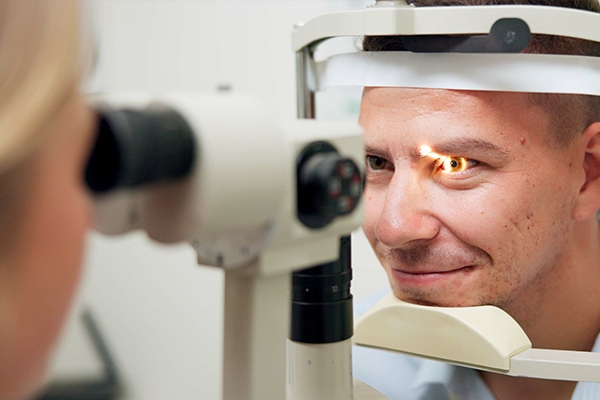
During your appointment, we’ll examine your eyes and explain which treatment options may suit your condition and lifestyle. You’ll receive expert advice and a clear, personalised plan.

STEP 3: ENJOY FREEDOM

After treatment, many people feel relief knowing their eyes are healthier and their sight is clearer. With proper care, you can look forward to years of confident, comfortable vision.

Take the first step toward clearer, healthier vision

Book an appointment to learn more about your eyes and the treatment options that may suit you

Take the first step toward clearer, healthier vision

Book an appointment to learn more about your eyes and the treatment options that may suit you

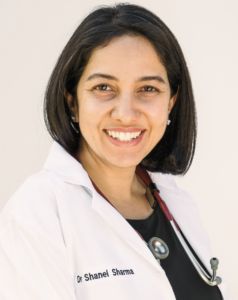
Dr Shanel Sharma ophthalmologist in Sydney providing wet macular degeneration and anti-VEGF injection care

Hi, I’m Dr Shanel Sharma

I’m an ophthalmologist with subspecialty training in paediatric eye conditions, strabismus, medical retina and general ophthalmology from leading hospitals in Sydney and London, including Moorfields Eye Hospital. I hold a Fellowship with RANZCO and have published widely in peer-reviewed journals. My focus is providing careful, individualised care using evidence-based treatments. I’m accredited to treat a range of conditions and perform procedures including intravitreal injections, strabismus surgery and botulinum toxin treatments. I always aim to make the process clear, calm and supportive.

Hi, I’m Dr Daya Sharma

I’m a cataract, corneal and refractive surgeon with subspecialty training from Moorfields Eye Hospital in London and Sydney Eye Hospital. I perform laser vision correction procedures, refractive lens surgery, and advanced cataract surgery using the latest diagnostic and surgical technology. My work is focused on helping people reduce their dependence on glasses and improve their quality of vision at all distances. I’m actively involved in research, publication and surgical education, and I take pride in offering honest, thorough guidance to every patient. My approach is personal, careful and always tailored to individual needs and lifestyles.