
Diabetic Retinopathy Symptoms, Warning Signs & When to Get an Eye Exam
What Is Diabetic Retinopathy?
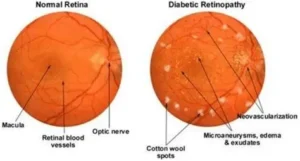
Diabetic retinopathy is a common diabetes-related eye condition and a leading cause of vision loss in people with diabetes. It affects the retina, the light-sensitive tissue at the back of the eye responsible for clear vision.
This condition develops when high blood sugar damages the tiny blood vessels in the retina, causing them to leak, swell, or become blocked. Without early detection through regular diabetic eye exams and retinal screening, this condition can progress silently and lead to permanent vision damage.
Important: Because early diabetic retinopathy often develops without noticeable symptoms, routine diabetic eye checks and retinal scans are essential for protecting vision and detecting problems early.
Why Early Detection Is So Important
Many people only discover retinal damage related to diabetes after noticeable vision changes have already occurred. However, detecting the condition early through routine eye examination can significantly reduce the risk of long-term vision problems.
Regular retinal screening for people with diabetes helps to:
- Prevent vision loss
- Detect retinal changes early, before symptoms develop
- Allow timely treatment and ongoing monitoring
- Reduce the risk of serious eye complications
Up to 90% of diabetes-related vision loss can be prevented with early detection and regular eye checks.
Early Warning Signs to Watch For
In the early stages, symptoms may not be noticeable. As the condition progresses, you may experience changes in eyesight that require prompt attention.
Common warning signs include:
- Blurred or fluctuating vision
- Floaters (dark spots, strings, or cobweb-like shapes)
- Difficulty seeing at night
- Colours appearing faded or washed out
- Trouble reading or recognising faces
- Dark or empty areas in vision
- Sudden changes in eyesight
Important: Even mild vision changes can be an early sign of diabetic eye disease and should be checked by an optometrist or ophthalmologist as soon as possible.
Stages of Diabetic Retinopathy
Understanding how this eye condition progresses helps explain why early diagnosis and treatment is critical.
Early Stage: Non-Proliferative Diabetic Retinopathy (NPDR)
This is the most common early stage of diabetic retinopathy.
- Retinal blood vessels weaken and leak fluid
- Small swellings called microaneurysms may develop
- Vision may remain normal in early stages
- Often detected during a routine retinal scan
Advanced Stage: Proliferative Diabetic Retinopathy (PDR)
This is the most severe stage.
- Abnormal blood vessels grow on the retina
- Increased risk of bleeding inside the eye
- May lead to retinal detachment or severe vision loss
- Requires urgent specialist treatment
Who Is Most at Risk?
You may have a higher risk if you:
- Have had diabetes for many years
- Have poorly controlled blood sugar levels
- Have high blood pressure
- Have high cholesterol
- Are pregnant
- Smoke
- Miss regular eye screening appointments
How to Protect Your Vision
Managing diabetes and maintaining good overall health plays a major role in reducing the risk of progression.
Ways to protect your vision from diabetic retinopathy include:
- Keeping blood sugar levels well controlled
- Monitoring blood pressure and cholesterol levels
- Attending regular diabetic eye exams and retinal screening
- Maintaining a healthy diet and active lifestyle
- Seeking prompt care for any vision changes
When Should You Get a Diabetic Eye Exam?
If you have diabetes, regular eye examinations are essential for protecting your eyesight and detecting early diabetic retinopathy.
Most eye care professionals recommend:
- A comprehensive eye exam every year
- Immediate testing if you notice any vision changes
- Following personalised advice from your optometrist or ophthalmologist
Routine retinal screening helps detect early changes before vision is affected.
Protect Your Vision with Regular Eye Checks
This condition remains one of the leading causes of preventable blindness worldwide, but it can often be managed successfully when detected early.
The most important step you can take is simple:
Do not wait for symptoms to appear.
Routine eye checks help protect your long-term vision, eye health, and quality of life.
Book Your Eye Exam Today
Living with diabetes?
Scheduling a diabetic eye exam is one of the most important steps you can take to protect your eyesight and detect diabetic retinopathy early.
Book your diabetic eye exam today to identify early signs of diabetic retinopathy and safeguard your long-term eye health and vision.
Find out if you are suitable for vision correction
Not everyone is eligible for vision correction surgery.
Find out if you could benefit from this life changing surgery by taking the quick self-suitability quiz below: