
What Is Glaucoma?
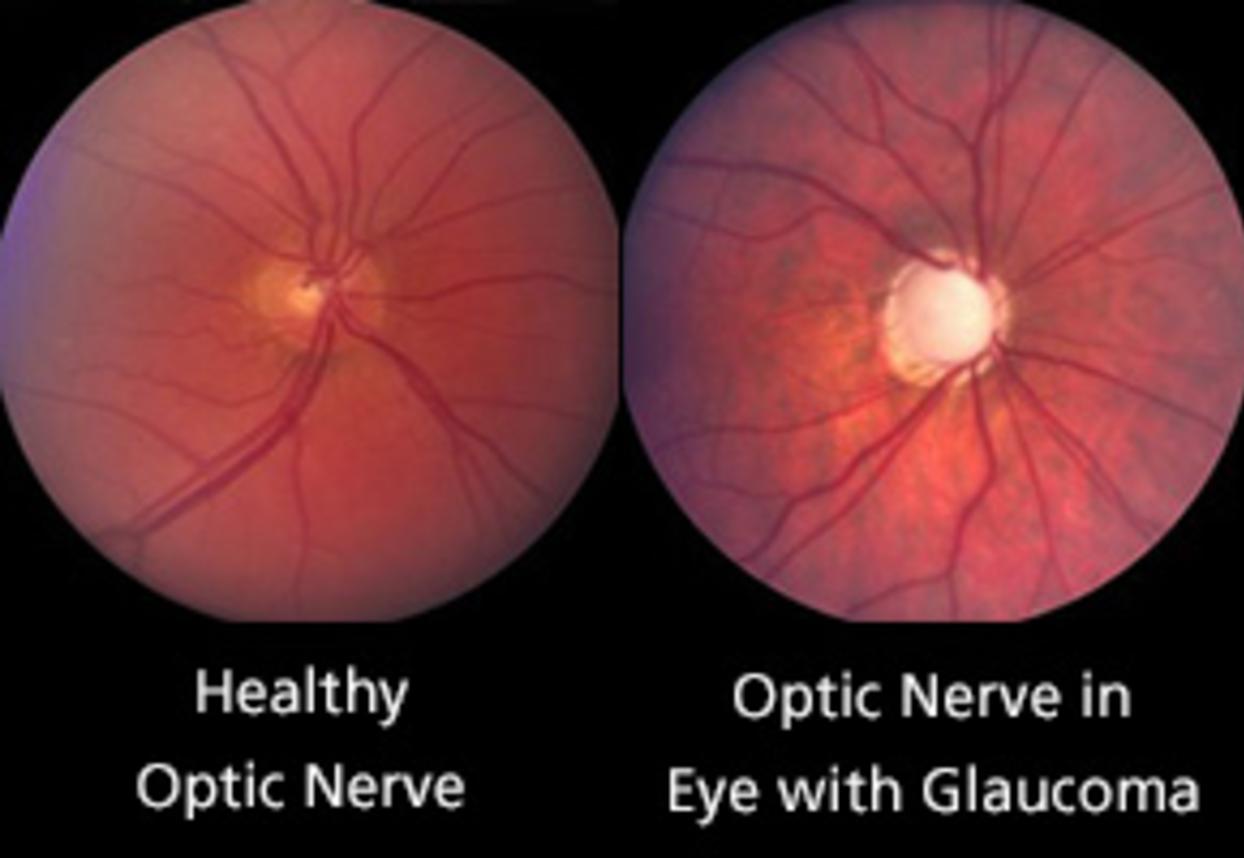
Glaucoma is a group of eye conditions that damage the optic nerve, which is essential for transmitting visual information from the eye to the brain. It is one of the leading causes of irreversible vision loss worldwide.
In many cases, glaucoma is linked to increased pressure inside the eye, known as intraocular pressure (IOP). However, glaucoma can also develop in people with normal eye pressure, depending on factors such as optic nerve health and blood flow.
One of the biggest challenges with glaucoma is that it often develops gradually and without noticeable symptoms in its early stages. As a result, many people are unaware they have the condition until permanent vision loss has already occurred.
For this reason, regular comprehensive eye examinations are critical for early detection, ongoing monitoring, and effective glaucoma management. Early diagnosis can help slow or prevent further vision loss and preserve long-term eye health.
Why Glaucoma Is Known as the “Silent Thief of Sight”
Glaucoma is often referred to as the “silent thief of sight” because it typically develops slowly, without pain or early warning signs.
The most common type, open-angle glaucoma, can progress over many years before noticeable vision changes occur. During this time, irreversible damage to the optic nerve may already be happening.
Early Signs of Glaucoma
In the early stages, glaucoma often goes unnoticed because:
- Peripheral (side) vision is affected first
- Central vision usually remains clear
- Vision loss occurs gradually and silently
As glaucoma advances, this progressive loss of peripheral vision can lead to tunnel vision and permanent vision impairment if not detected and treated early.
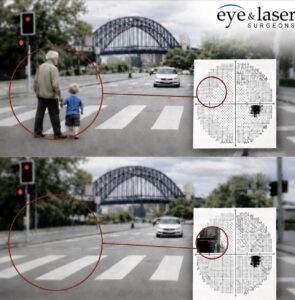
Glaucoma can slowly reduce peripheral vision without the patient realising it. In this example, the person may think they have checked the road and that it is clear, yet they have missed the man and child in their side vision. Early diagnosis and regular monitoring are important because glaucoma damage often develops silently.
1. Open-Angle Glaucoma (Most Common)
- Develops slowly over time
- No early symptoms in most cases
- Caused by reduced drainage of fluid from the eye
- The most common form of glaucoma worldwide
2. Angle-Closure Glaucoma (Medical Emergency)
- Sudden increase in intraocular pressure
- Requires urgent treatment
Symptoms may include:
- Severe eye pain
- Blurred vision
- Halos around lights
- Nausea and vomiting
Without immediate care, permanent vision loss can occur.
3. Normal-Tension Glaucoma
- Optic nerve damage occurs despite normal eye pressure
- Often linked to reduced blood flow to the optic nerve
4. Secondary Glaucoma
Occurs as a result of other conditions, including:
- Diabetes
- Eye inflammation
- Eye trauma
- Certain medications (e.g. steroids)
Risk Factors for Glaucoma
You may have a higher risk of developing glaucoma if you:
- Are over 40 years of age
- Have a family history of glaucoma
- Have diabetes or high blood pressure
- Have elevated intraocular pressure
- Belong to higher-risk ethnic groups
Regular eye examinations are strongly recommended, particularly if you have one or more of these risk factors.
How Is Glaucoma Diagnosed?
A comprehensive glaucoma assessment may include:
- Tonometry – measurement of eye pressure
- Visual field testing – checks for peripheral vision loss
- Optic nerve imaging – detects early structural damage
- Gonioscopy – assessment of the eye’s drainage angle
Early diagnosis is critical, as vision loss from glaucoma cannot be reversed.
Glaucoma Treatment Options
While there is no cure for glaucoma, treatment is highly effective in slowing or preventing further vision loss. The primary goal is to lower intraocular pressure (IOP).
1. Eye Drops (First-Line Treatment)
Prescription eye drops are usually the first step and work by:
- Reducing fluid production
- Improving fluid drainage
Consistent, long-term use is essential for effectiveness.
2. Oral Medications
Used in certain cases to further reduce eye pressure, particularly when additional control is needed.
3. Laser Treatment
Laser procedures help improve fluid drainage and reduce pressure.
Common options include:
- Selective Laser Trabeculoplasty (SLT)
- Laser Peripheral Iridotomy (LPI) for angle-closure glaucoma
These treatments are quick, minimally invasive, and typically performed in-clinic.
4. Minimally Invasive Glaucoma Surgery (MIGS)
MIGS procedures are designed to lower eye pressure with:
- Smaller incisions
- Faster recovery
- Lower risk compared to traditional surgery
Often performed in combination with cataract surgery.
5. Traditional Glaucoma Surgery
For advanced glaucoma, surgical options may include:
- Trabeculectomy
- Drainage tube implantation
These procedures create new pathways to improve fluid drainage and control eye pressure.
Why Early Detection Matters
Glaucoma causes permanent damage to the optic nerve, but with early diagnosis:
- Vision loss can often be slowed or prevented
- Many patients maintain good functional vision for life
- Treatment outcomes are significantly improved
When Should You Have Your Eyes Checked?
In Australia, it is generally recommended to have regular comprehensive eye exams from age 40, or earlier if you have risk factors.
Seek urgent eye care if you experience:
- Sudden eye pain
- Rapid vision changes
- Halos around lights
Personalised Glaucoma Care in Sydney
At Eye & Laser Surgeons Sydney, Dr Shanel Sharma and Dr Daya Sharma provide comprehensive glaucoma diagnosis and management using advanced diagnostic technology and evidence-based treatments.
Each treatment plan is tailored to your individual needs, considering:
- Type and severity of glaucoma
- Lifestyle and preferences
- Long-term vision goals
Book a Glaucoma Assessment in Sydney
If you are concerned about glaucoma or have risk factors, early assessment is essential.
Book a consultation with Eye & Laser Surgeons Sydney today to protect your long-term vision and eye health.
Find out if you are suitable for vision correction
Not everyone is eligible for vision correction surgery.
Find out if you could benefit from this life changing surgery by taking the quick self-suitability quiz below:
Our most popular procedures
Take the first step toward clearer, healthier vision
Book an appointment to learn more about your eyes and the treatment options that may suit you
Take the first step toward clearer, healthier vision
Book an appointment to learn more about your eyes and the treatment options that may suit you