




What is refractive surgery?
Refractive surgery describes procedures that change how light is focused by the eye. The aim is usually to reduce dependence on glasses or contact lenses.
Options may include LASIK, SMILE, PRK, implantable collamer lens surgery and lens replacement surgery.
A detailed refractive surgery assessment is needed to determine whether surgery may be appropriate and which option deserves consideration.
Start with the question that’s on your mind
Choosing the best vision correction for you isn’t about finding the latest procedure, but about understanding your eyes, your lifestyle and the options that may be appropriate for you. Start with the question that best matches your situation.
Understanding your vision before considering surgery
Before discussing treatment options, it helps to understand how the eye focuses light. Once you understand this process, it becomes much easier to see why different vision correction procedures suit different people.
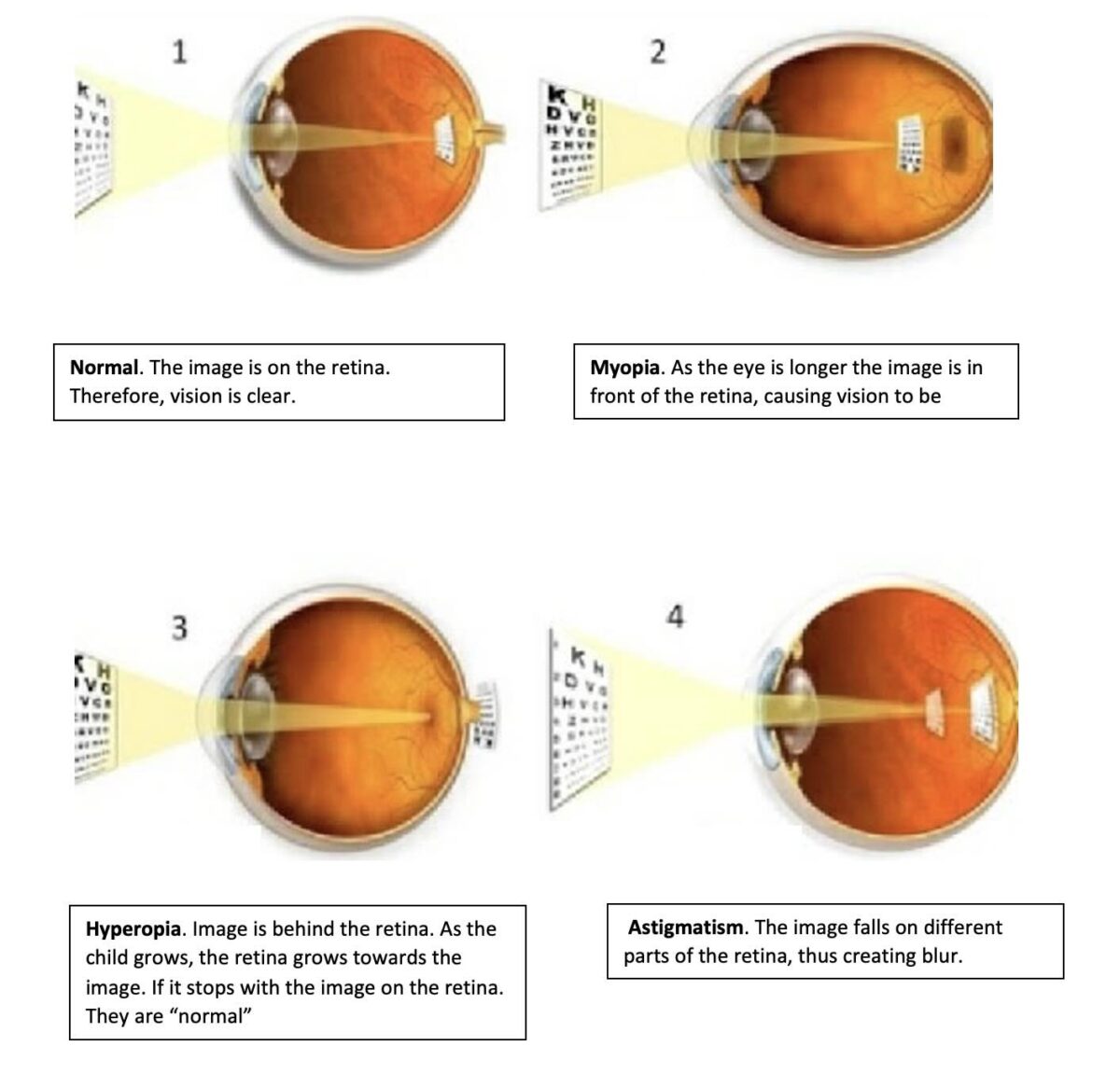
Clear vision occurs when light passes through the cornea and natural lens before focusing precisely on the retina, the light-sensitive tissue at the back of the eye. When this process works correctly, images appear sharp and clear.
However, if the eye is slightly longer or shorter than average, or the cornea has an irregular shape, light no longer focuses accurately on the retina. As a result, vision becomes blurred. This is known as a refractive error.
The four most common refractive errors are:
- Myopia (short-sightedness) – Light focuses in front of the retina, making distant objects appear blurry.
- Hyperopia (long-sightedness) – Light focuses behind the retina, making close vision more difficult and, in some cases, affecting distance vision as well.
- Astigmatism – Light focuses unevenly because the cornea or natural lens has an irregular shape, causing blurred or distorted vision at multiple distances.
- Presbyopia – As we age, the natural lens gradually loses flexibility. Consequently, focusing on near objects becomes more difficult, typically from the age of 40 onwards.
By understanding how your eyes focus light, you can better appreciate why no single procedure is suitable for everyone. Instead, the most appropriate vision correction option depends on your eyes, your prescription, your lifestyle and your visual goals.
Read next: Understanding Refractive Errors →
Refractive errors
Which vision problems may be treated?
Refractive surgery may be considered for several common focusing problems. The appropriate method depends on the type and amount of refractive error, the health of the eye, age and visual goals.
Vision correction options
What vision correction options are available?
Vision correction can involve glasses, contact lenses, corneal laser procedures or lens-based surgery. Alternatively, choosing not to have surgery is also a valid option.
However, the purpose of a comprehensive assessment is not to fit every patient into a surgical category. Instead, it is to identify the option—or, in some cases, the decision not to proceed—that best balances your visual goals, safety and long-term eye health.
LASIK, SMILE & PRK:
understanding the differences
All three procedures reshape the cornea, but they do so differently.
No procedure is universally better. The recommendation depends on your eye measurements, lifestyle and visual needs.
Lens-based vision correction
However, not everyone is an ideal candidate for corneal laser surgery. For example, some people have higher prescriptions, presbyopia or early lens changes that make a lens-based procedure worth considering. In these situations, your surgeon will discuss whether an implantable lens or lens replacement surgery may be a more appropriate option.
Implantable Collamer Lens (ICL)
An implantable collamer lens (ICL) is positioned inside the eye while your natural lens remains in place.
As a result, an ICL may be suitable for selected patients, particularly those with higher prescriptions or corneas that are not well suited to laser reshaping.
Because ICL surgery is performed inside the eye, it carries different benefits and risks from corneal laser procedures. Therefore, a detailed assessment is essential before deciding whether it is the right option for you.
Learn about ICL surgery
Refractive Lens Exchange
Alternatively, refractive lens exchange involves removing the eye’s natural lens and replacing it with an artificial intraocular lens.
This procedure may be considered when presbyopia or early natural lens changes significantly affect vision. In addition, it can reduce dependence on glasses for many people, depending on the type of lens selected.
However, lens replacement surgery is not reversible. For this reason, retinal health, intraocular lens selection and your long-term visual goals should all be carefully discussed before proceeding.
Explore lens replacement surgery
Suitability
How do we decide which option may be appropriate?
Suitability involves much more than checking your glasses prescription. Instead, we need to understand whether your eyes can safely support a procedure and whether the expected visual outcome aligns with your needs, lifestyle and long-term eye health.
To do this, your assessment may include:
- Your current and previous glasses or contact lens prescriptions
- Corneal shape, thickness and stability
- Corneal topography and tomography
- Tear film quality and dry eye assessment
- Pupil size and night vision requirements
- Examination of the natural lens, macula, retina and optic nerve
- Medical history, medications and previous eye surgery
- Your age, occupation, sporting activities and lifestyle
- Your expectations and willingness to accept the limitations of different procedures
In some cases, more than one procedure may be suitable. However, each option has different benefits, limitations and long-term considerations, which will be discussed during your consultation.
Alternatively, your assessment may show that surgery is not the best option at this stage. For example, you may be advised to treat dry eye first, repeat measurements, monitor your cornea over time, continue with glasses or contact lenses, or avoid surgery altogether.
Ultimately, the goal is not simply to determine whether you can have surgery, but whether surgery is the safest and most appropriate choice for your eyes.
Read next: Refractive surgery assessment
A useful first step
The online quiz may help you decide whether vision correction is worth discussing.
It cannot determine suitability or replace a suitability eye examination. Or Book a free suitability assessment with Dr Daya Sharma’s team.
Technology
Technology Helps Us Understand Your Eyes
Modern diagnostic technology provides valuable information about your eyes. However, technology is only useful when it helps answer an important clinical question. Most importantly, it does not select a procedure on its own or replace clinical judgement. Instead, it provides information that helps Dr Daya Sharma recommend the safest and most appropriate treatment for your individual eyes.
Corneal Topography and Tomography
Corneal mapping measures the shape, curvature and thickness of the cornea. As a result, it can identify regular astigmatism, subtle corneal irregularities and patterns that may increase the risk of corneal instability.
Learn how corneal mapping supports treatment decisions
Wavefront Analysis
In addition to measuring your glasses prescription, wavefront analysis assesses subtle optical imperfections that cannot be detected during a standard eye examination. Consequently, it may help refine treatment planning for selected patients.
Understand wavefront-guided treatment →
Ocular Surface Assessment
The tear film forms the eye’s first focusing surface. Therefore, a healthy ocular surface is essential for accurate measurements, comfortable vision and optimal healing.
Because dry eye can affect both vision and surgical outcomes, it should be identified and treated before considering refractive surgery whenever possible.
Learn about dry eye and ocular surface disease →
Retinal and Optic Nerve Assessment
Finally, clear vision depends on much more than the cornea. For this reason, every comprehensive assessment includes examination of the retina and optic nerve.
In some cases, imaging may identify conditions that influence the choice of procedure or require treatment or ongoing monitoring before surgery is considered.
Benefits, limitations and risks
All three procedures reshape the cornea, but they do so differently.
No procedure is universally better. The recommendation depends on your eye measurements, lifestyle and visual needs.
Alternatives
Alternatives to refractive surgery
Alternatives may include:
- continuing with glasses
- contact lenses where they remain comfortable and safe
- different glasses for distance, reading or occupational tasks
- treating dry eye or another condition before reconsidering surgery
- monitoring a changing prescription, corneal pattern or lens change
- choosing no active treatment
For some people, continued non-surgical correction is the safest and most appropriate recommendation.
RECOVERY
Recovery and follow-up
Recovery differs by procedure and patient.
LASIK often provides relatively rapid early visual recovery. SMILE vision generally improves progressively. PRK usually requires a longer healing period. Lens-based procedures have separate recovery requirements.
Follow-up allows us to:
- check healing
- monitor inflammation and pressure
- manage dryness or discomfort
- assess visual stability
- to check for any sign of a complication
You will receive individual guidance about driving, work, exercise, swimming, eye rubbing, cosmetics and contact sport.
Vision correction for sport, work and active lifestyles
Different lifestyles place different demands on vision.
An office worker, professional athlete, pilot and surgeon may have very different priorities.
Assessment may consider:
- risk of eye trauma
- night vision and low-contrast performance
- dry or windy environments
- occupational visual standards
- recovery and return-to-work requirements
- distance, intermediate and near-vision needs
- the practical consequences of any residual prescription
Our work in sports vision and vision correction for athletes reinforces an important principle:
Reading an eye chart is only one part of how vision performs in real life.
RECOVERY
Recovery and follow-up
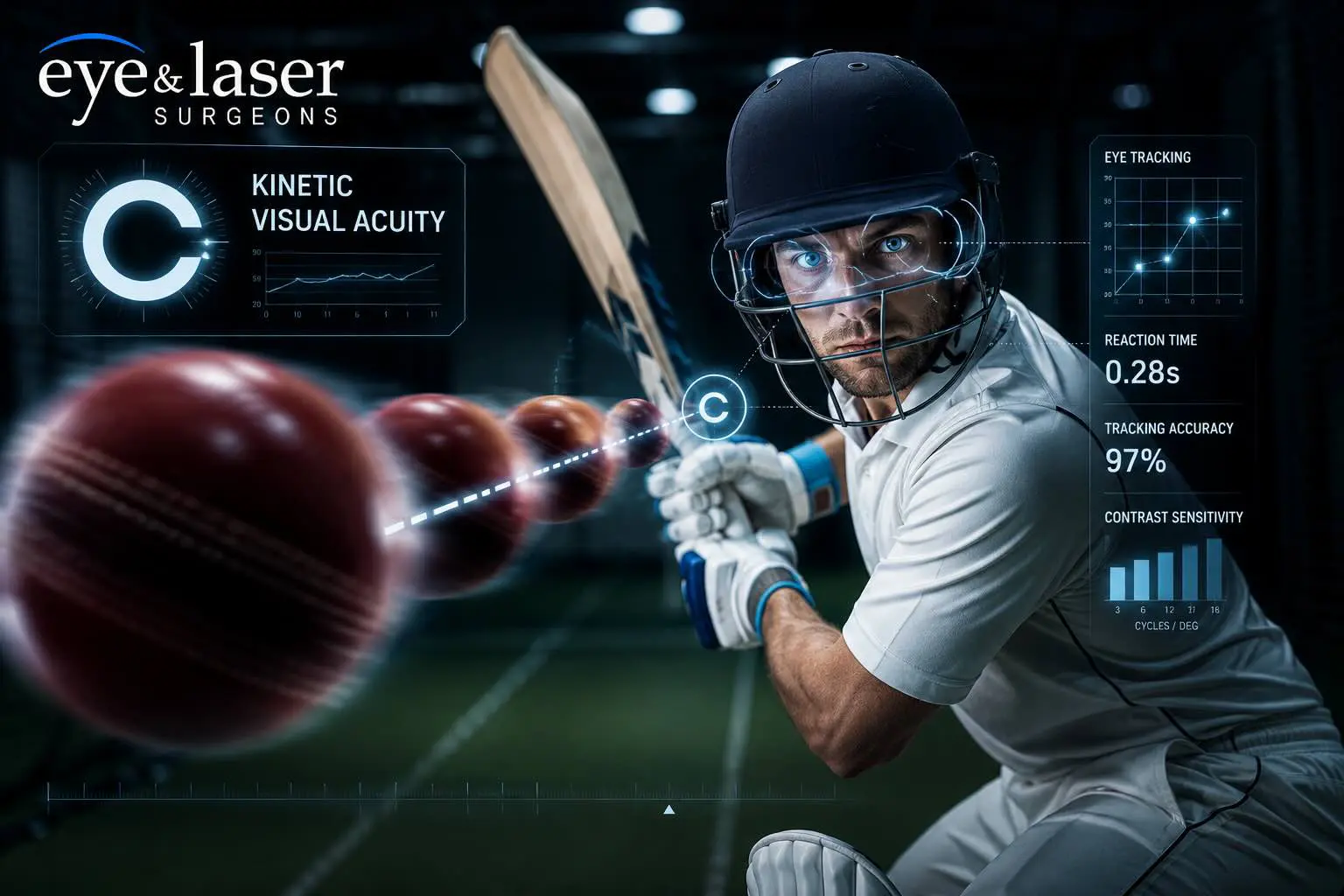
kinetic-visual-acuity-cricket-sydney 1
High-performance vision involves much more than reading an eye chart. Careful assessment of visual function can help us understand the visual demands of sport, work and everyday life when discussing vision correction options.
Dr Daya Sharma
Refractive surgery with Dr Daya Sharma
Dr Daya Sharma is a cataract, corneal and refractive surgeon with subspecialty training from Moorfields Eye Hospital in London and Sydney Eye Hospital.
His approach is based on detailed assessment, careful procedure selection and open discussion of benefits, limitations, risks and alternatives.
We believe the right recommendation is the one we would make for a member of our own family.
Frequently asked questions
Explore the Refractive Surgery & LASER Vision Correction Centre
Understanding your vision
Learn how myopia, hyperopia, astigmatism and presbyopia affect focus.
Read the refractive errors guide
Comprehensive assessment
See which measurements and clinical factors guide an individual recommendation.
Procedure guides
Understand your vision correction options in 3 EASY STEPS.
A comprehensive assessment can help determine whether refractive surgery may be appropriate and which options deserve consideration. We will explain the findings, expected benefits, limitations, risks and alternatives so you can make an informed decision.

STEP 1: GET IN TOUCH
Every eye is different. The first step is to find out which treatment could help you see more clearly and protect your long-term vision. Call our caring team or use our online calendar to book an appointment.
STEP 2: WE’LL MEET
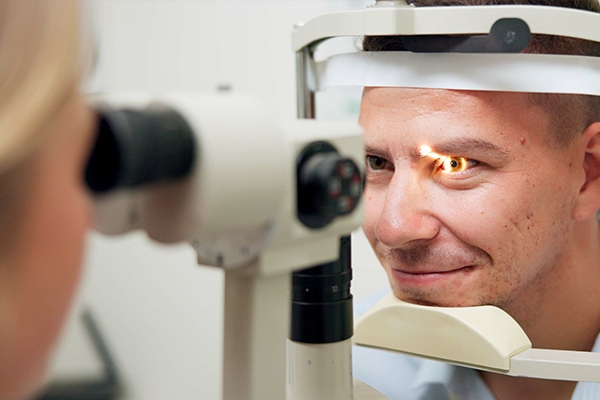
During your appointment, we’ll examine your eyes and explain which treatment options may suit your condition and lifestyle. You’ll receive expert advice and a clear, personalised plan.

STEP 3: ENJOY FREEDOM
After treatment, many people feel relief knowing their eyes are healthier and their sight is clearer. With proper care, you can look forward to years of confident, comfortable vision.

Are your eyes making life harder than it should be?
Book an appointment to understand what’s going on and explore treatment options that may suit your eyes and lifestyle

Dry, gritty, or burning eyes?
Screens, air-conditioning, and wind can make eyes sore, watery, or light sensitive. An assessment can identify the cause and discuss treatment options to improve comfort.

Concerned about glaucoma?
Glaucoma often has no early symptoms. A pressure check and optic nerve scan can detect risk early. We will explain monitoring and treatments that may protect your sight.

Worried about AMD?
Words may blur or straight lines may look wavy, especially in low light. An appointment can confirm what is happening and outline care that may help you see more clearly.
Affiliations and memberships
We are proud to be a part of these professional bodies



Hi, I’m Dr Shanel Sharma
I’m an ophthalmologist with subspecialty training in paediatric eye conditions, strabismus, medical retina and general ophthalmology from leading hospitals in Sydney and London, including Moorfields Eye Hospital. I hold a Fellowship with RANZCO and have published widely in peer-reviewed journals. My focus is providing careful, individualised care using evidence-based treatments. I’m accredited to treat a range of conditions and perform procedures including intravitreal injections, strabismus surgery and botulinum toxin treatments. I always aim to make the process clear, calm and supportive.
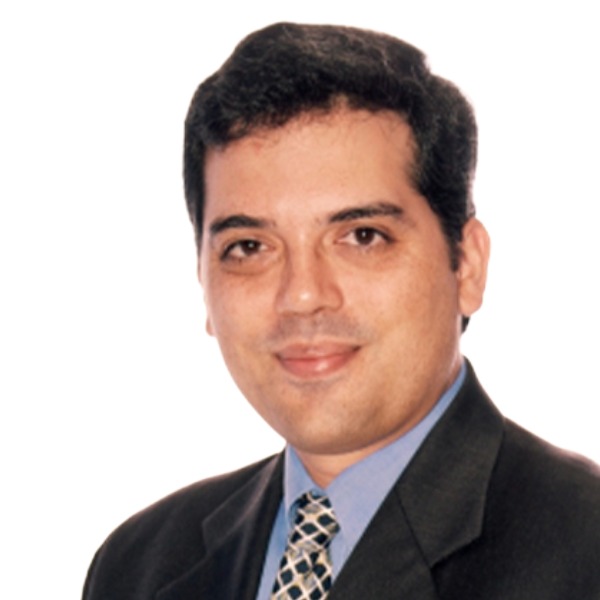
Hi, I’m Dr Daya Sharma
I’m a cataract, corneal and refractive surgeon with subspecialty training from Moorfields Eye Hospital in London and Sydney Eye Hospital. I perform laser vision correction procedures, refractive lens surgery, and advanced cataract surgery using the latest diagnostic and surgical technology. My work is focused on helping people reduce their dependence on glasses and improve their quality of vision at all distances. I’m actively involved in research, publication and surgical education, and I take pride in offering honest, thorough guidance to every patient. My approach is personal, careful and always tailored to individual needs and lifestyles.