
Specialist Keratoconus Care with Dr Daya Sharma

Modern treatments such as corneal cross-linking may help strengthen the cornea and reduce further changes so you can protect your vision for the future

Specialist care for keratoconus available in Sydney

Keratoconus is a progressive corneal condition that can cause blurred vision, ghosting, glare, halos and irregular astigmatism. It usually develops in teenagers or young adults and may worsen over time. However, with early diagnosis and careful monitoring, modern treatment can often help stabilise the cornea and protect vision.

At Eye & Laser Surgeons Sydney, Dr Daya Sharma provides provides specialist assessment and treatment planning for keratoconus, a progressive corneal condition that can cause irregular astigmatism, ghosting and distorted vision. Assessment may include corneal topography, tomography and monitoring for progression. Where clinically appropriate, treatment options may include glasses, contact lenses, corneal collagen cross-linking, CAIRS, topography-guided PRK in selected cases, or corneal transplantation for advanced disease. The aim is to stabilise the cornea where possible and support the best achievable visual outcome for each patient.


With keratoconus treatment, you may help stabilise your cornea

Learn how these treatments work and what they may do to support clearer, more stable sight
  • Keratoconus occurs when the cornea, the clear front window of the eye, becomes thinner and gradually changes shape.

  • Instead of remaining smoothly curved, the cornea can bulge forward into a cone-like shape. As a result, light does not focus evenly inside the eye.

    This can cause:

    • blurred or distorted vision
    • increasing short-sightedness (Myopia)
    • irregular astigmatism
    • ghosting or double images
    • glare, halos and poor night vision
    • frequent changes in glasses prescription
    • reduced vision despite new glasses

    Keratoconus is often linked with eye rubbing in childhood, allergies, eczema and a family history of the condition. Therefore, early diagnosis is important, especially in young patients whose corneas may change more quickly.

Keratoconus cannot always be diagnosed with a standard eye test. For this reason, detailed corneal imaging is essential.

At Eye & Laser Surgeons Sydney, keratoconus assessment may include:

  • Corneal topography
  • Corneal tomography
  • Corneal thickness measurement
  • Refraction and visual acuity testing
  • Slit lamp examination
  • Assessment of eye rubbing and allergy
  • Dry eye and ocular surface assessment
  • Monitoring for progression over time

These tests help determine whether keratoconus is mild, moderate or advanced. They also help guide whether the cornea is stable or whether treatment such as corneal collagen cross-linking should be considered.

Keratoconus treatment has two main goals. First, treatment aims to slow or stop progression. Second, it aims to improve vision where possible.

The best treatment depends on age, corneal shape, corneal thickness, vision, symptoms and whether the condition is progressing.

Treatment options may include:

  • Glasses
  • Specialised contact lenses
  • Corneal collagen cross-linking
  • CAIRS
  • Intracorneal ring segments
  • Topography-guided PRK in selected cases
  • Corneal transplantation for advanced keratoconus

At Eye & Laser Surgeons, Dr Daya Sharma assesses these options carefully and recommends treatment based on the individual cornea, not a generic protocol.

Corneal collagen cross-linking, also called CXL or collagen cross-linking, is a treatment designed to strengthen the cornea and reduce the risk of keratoconus progression.

During cross-linking, riboflavin eye drops and ultraviolet light are used to increase collagen bonding within the cornea. This helps make the cornea more resistant to further shape change.

The main goal of collagen cross-linking is stabilisation. It is not primarily a glasses-removal procedure. Some patients may notice improvement in corneal shape or vision, but this cannot be guaranteed.

Collagen cross-linking is usually considered when keratoconus is progressing or when the patient has a high risk of progression. It is especially important in younger patients because keratoconus can progress more quickly during teenage years and early adulthood.

CAIRS stands for corneal allogenic intrastromal ring segments. It uses donor corneal tissue placed within the cornea to help improve corneal shape in selected patients with keratoconus.

CAIRS may be considered when keratoconus causes significant irregular astigmatism or reduced visual quality. The aim is to regularise the cornea and improve the way light focuses inside the eye.

However, CAIRS is not suitable for every patient. Careful corneal imaging, thickness assessment and surgical planning are needed before treatment.

Internal link to add:
Link CAIRS for keratoconus to a dedicated CAIRS page when available.

If you do not yet have a CAIRS page, create one. This would strongly build topical authority for Dr Daya Sharma.

Patients with keratoconus often ask whether they can have laser eye surgery. The answer is not simple.

Standard LASIK is generally not suitable for keratoconus because it may weaken the cornea. However, selected patients may be suitable for topography-guided PRK, often as part of a carefully planned keratoconus treatment strategy.

In keratoconus, laser treatment is different from routine refractive surgery. The goal is usually to improve corneal regularity and visual quality, rather than simply remove glasses.

Because Dr Daya Sharma works across both corneal disease and refractive surgery, he can assess whether a patient needs keratoconus monitoring, collagen cross-linking, contact lens care, CAIRS, topography-guided treatment or corneal transplantation.

Most patients with keratoconus do not need a corneal transplant. However, transplantation may be considered when keratoconus is advanced, scarred or no longer manageable with glasses, contact lenses, collagen cross-linking or corneal ring procedures.

Surgical options may include deep anterior lamellar keratoplasty, also called DALK, or penetrating keratoplasty, also called PK.

Corneal transplantation requires long-term follow-up, careful monitoring and realistic expectations. Therefore, it is usually reserved for more advanced disease.

All keratoconus treatments have benefits, limitations and potential risks. The most appropriate treatment depends on the severity of keratoconus, whether the condition is progressing, corneal thickness, visual symptoms and overall eye health. Dr Daya Sharma will discuss suitable options, expected recovery, possible risks and alternatives during consultation.

Dr Daya Sharma is a specialist corneal, cataract and refractive surgeon in Sydney. His keratoconus care includes assessment, corneal imaging, monitoring for progression and discussion of treatment options such as corneal collagen cross-linking, CAIRS, topography-guided PRK in selected cases and corneal transplantation where required. Treatment recommendations are based on clinical findings, corneal imaging and each patient’s visual needs.

GAIN VISUAL FREEDOM IN 3 EASY STEPS

Eye treatment options can be confusing, we’ve made the path to healthier vision easy to follow

STEP 1: GET IN TOUCH

Every eye is different. The first step is to find out which treatment could help you see more clearly and protect your long-term vision. Call our caring team or use our online calendar to book an appointment.
STEP 2: WE’LL MEET

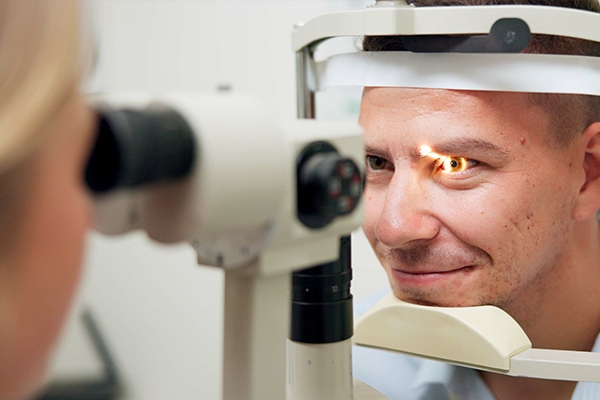
During your appointment, we’ll examine your eyes and explain which treatment options may suit your condition and lifestyle. You’ll receive expert advice and a clear, personalised plan.

STEP 3: ENJOY FREEDOM

After treatment, many people feel relief knowing their eyes are healthier and their sight is clearer. With proper care, you can look forward to years of confident, comfortable vision.


Take the first step toward clearer, healthier vision

Book an appointment to learn more about your eyes and the treatment options that may suit you

Take the first step toward clearer, healthier vision

Book an appointment to learn more about your eyes and the treatment options that may suit you

Dr Shanel Sharma ophthalmologist in Sydney providing wet macular degeneration and anti-VEGF injection care

Hi, I’m Dr Shanel Sharma

I’m an ophthalmologist with subspecialty training in paediatric eye conditions, strabismus, medical retina and general ophthalmology from leading hospitals in Sydney and London, including Moorfields Eye Hospital. I hold a Fellowship with RANZCO and have published widely in peer-reviewed journals. My focus is providing careful, individualised care using evidence-based treatments. I’m accredited to treat a range of conditions and perform procedures including intravitreal injections, strabismus surgery and botulinum toxin treatments. I always aim to make the process clear, calm and supportive.

Hi, I’m Dr Daya Sharma

I’m a cataract, corneal and refractive surgeon with subspecialty training from Moorfields Eye Hospital in London and Sydney Eye Hospital. I perform laser vision correction procedures, refractive lens surgery, and advanced cataract surgery using the latest diagnostic and surgical technology. My work is focused on helping people reduce their dependence on glasses and improve their quality of vision at all distances. I’m actively involved in research, publication and surgical education, and I take pride in offering honest, thorough guidance to every patient. My approach is personal, careful and always tailored to individual needs and lifestyles.