
Glaucoma Testing in Sydney
Comprehensive glaucoma assessment and monitoring
Glaucoma testing involves a combination of imaging, eye pressure measurement and optic nerve assessment used to detect glaucoma and monitor progression over time. Modern glaucoma assessment may include OCT imaging, visual field testing, corneal thickness measurement, drainage angle assessment and specialised testing such as the water drinking test. At Eye & Laser Surgeons in Sydney, Dr Shanel Sharma and Dr Daya Sharma provide comprehensive glaucoma testing using modern diagnostic technology and evidence-based assessment protocols.
Glaucoma often develops slowly and without symptoms.
Many patients remain unaware they have glaucoma until significant optic nerve damage has occurred.
Comprehensive glaucoma testing helps:
- detect glaucoma early
- assess for glaucoma risk factors
- monitor progression over time
- guide treatment decisions
What tests are used to diagnose glaucoma?
Glaucoma assessment may include:
- eye pressure measurement
- optic nerve examination
- OCT imaging
- visual field testing
- corneal thickness measurement
- drainage angle assessment
- optic nerve photography
- water drinking testing in selected patients
No single test alone is sufficient to diagnose glaucoma reliably.
Eye pressure testing (tonometry)
Intraocular pressure (IOP) is measured using tonometry.
Elevated eye pressure is one of the major risk factors for glaucoma, although up to 50% of patients with glaucoma have normal intraocular pressure levels. Elevated intraocular pressure without obvious optic nerve damage yet, is called ocular hypertension.
Pressure measurements may vary:
- throughout the day
- between visits
- with corneal thickness
OCT imaging for glaucoma
Optical Coherence Tomography (OCT) provides detailed imaging of:
- the optic nerve
- retinal nerve fibre layer
- ganglion cell layer
OCT helps detect early structural glaucoma damage before noticeable vision loss occurs.
OCT imaging is also useful for long-term monitoring of glaucoma progression.
Visual field testing
Visual field testing assesses functional vision loss caused by glaucoma.
Glaucoma often affects:
- peripheral vision first
- before central vision becomes affected
Visual field testing helps:
- detect glaucoma damage
- monitor progression
- assess treatment response over time
Corneal thickness testing
Corneal thickness can influence eye pressure measurement accuracy and glaucoma risk assessment.
Patients with thinner corneas may:
- have underestimated eye pressure readings
- have increased glaucoma risk
Corneal thickness is therefore an important part of comprehensive glaucoma assessment.
Drainage angle assessment (gonioscopy)
The drainage angle is examined to determine:
- whether glaucoma is open-angle or angle-closure
- whether pigment or pseudoexfoliation is present
- suitability for laser treatment such as SLT.
This assessment helps guide treatment planning.
What is the water drinking test?
The water drinking test is a specialised glaucoma assessment sometimes used to evaluate how the eye responds to temporary fluid stress.
The test involves:
- drinking a measured amount of water over a short period
- monitoring intraocular pressure changes over time
In some patients, the test may provide additional information about:
- pressure fluctuation
- drainage system function
- glaucoma progression risk
The water drinking test is not required for all patients but may be useful in selected situations.
Why does glaucoma testing matter?
Glaucoma damage is usually irreversible.
Early detection allows:
- earlier treatment
- better pressure control
- lower risk of vision loss
Many patients maintain excellent long-term vision when glaucoma is detected and managed appropriately.
How often should glaucoma testing be performed?
This depends on:
- glaucoma severity
- glaucoma risk factors
- eye pressure stability
- optic nerve appearance
- treatment type
Some patients require:
- annual monitoring
- while others require more frequent review
Can glaucoma testing detect early disease?
Yes.
Modern glaucoma testing can often detect:
- structural optic nerve changes
- retinal nerve fibre layer loss
- subtle visual field changes
before major vision loss occurs.
Why choose Eye & Laser Surgeons for glaucoma testing in Sydney?
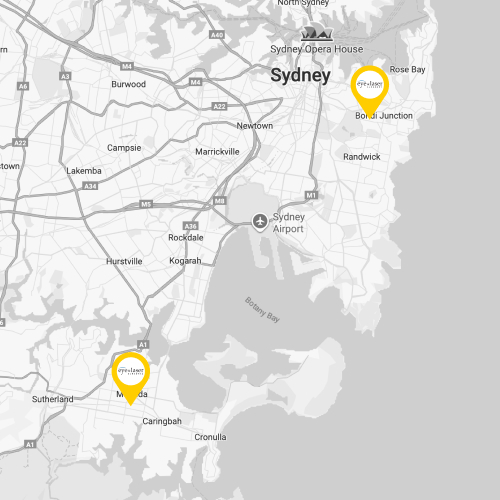
Eye & Laser Surgeons provides comprehensive glaucoma assessment in Sydney with clinics in:
- Bondi Junction
- Miranda
Dr Shanel Sharma and Dr Daya Sharma provide:
- glaucoma risk assessment
- OCT imaging
- visual field testing
- glaucoma laser treatment
- glaucoma surgery assessment
- long-term glaucoma monitoring
Patients are assessed individually using evidence-based glaucoma testing protocols and modern diagnostic imaging.
Frequently Asked Questions
Can glaucoma be detected early?
Yes. Modern glaucoma testing can often detect structural or functional changes before major vision loss occurs.
Is glaucoma testing painful?
Most glaucoma tests are non-invasive and well tolerated.
What is the most important glaucoma test?
No single test is sufficient on its own. Glaucoma assessment usually combines optic nerve examination, OCT imaging, visual field testing and eye pressure measurement.
What is the water drinking test used for?
The water drinking test may provide additional information about eye pressure fluctuation and drainage system function in selected glaucoma patients.
How long does glaucoma testing take?
The duration depends on the tests performed. Comprehensive glaucoma assessment may involve multiple investigations during the appointment.
Book glaucoma testing in Sydney
If you have elevated eye pressure, glaucoma risk factors or concerns about optic nerve health, comprehensive glaucoma testing can help assess your risk and guide treatment decisions.
Eye and Laser Surgeons — Bondi Junction & Miranda
Bondi Junction: (02) 9387 5300
Miranda: (02) 9531 5300
Email: reception@eyeandlaser.com.au